Last updated November 23, 2026
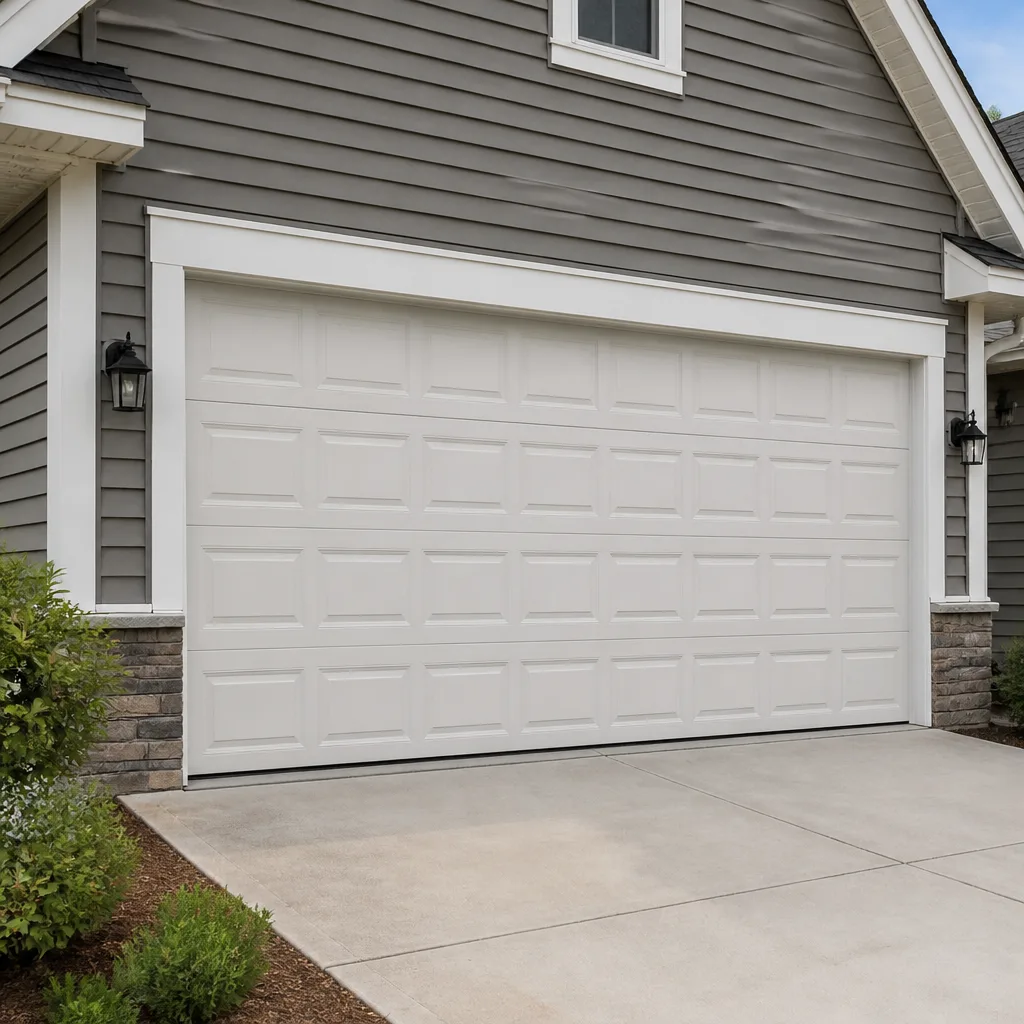 Raised-panel steel
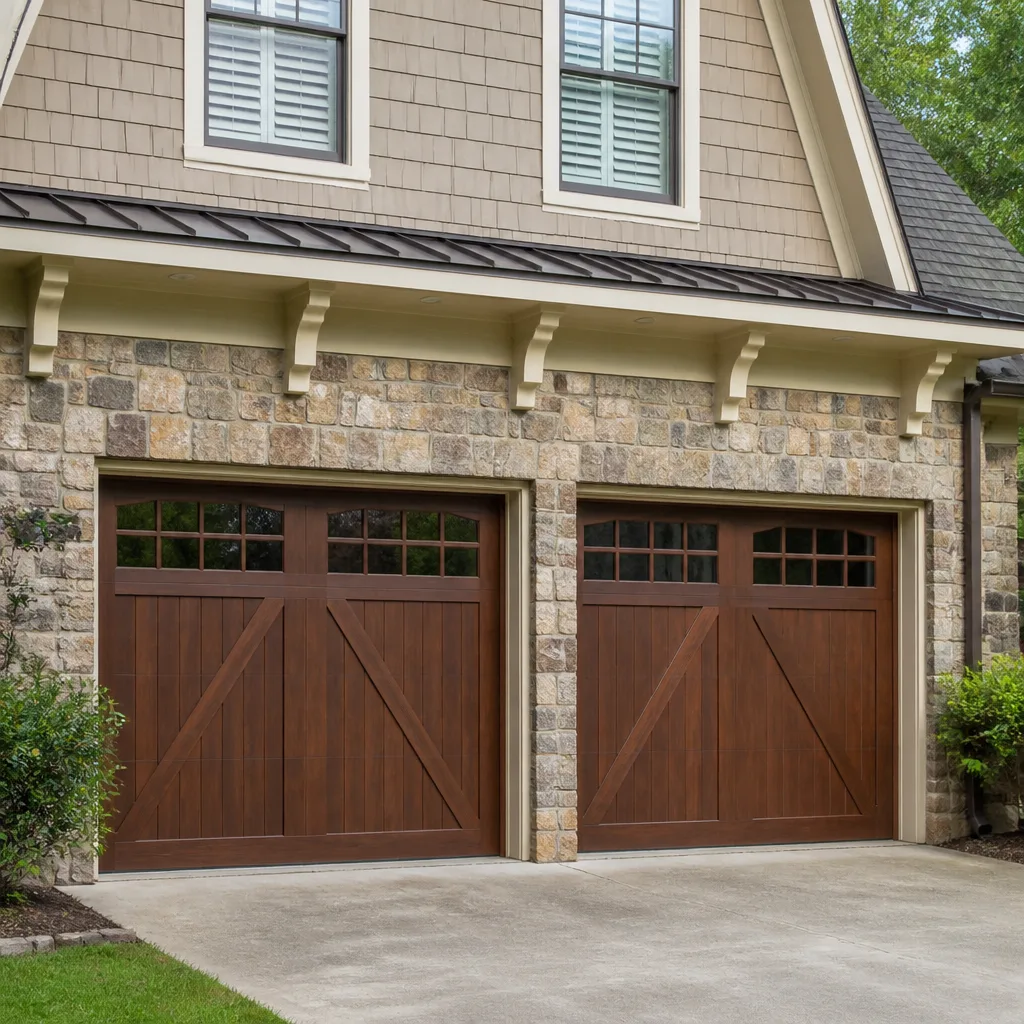 Carriage house
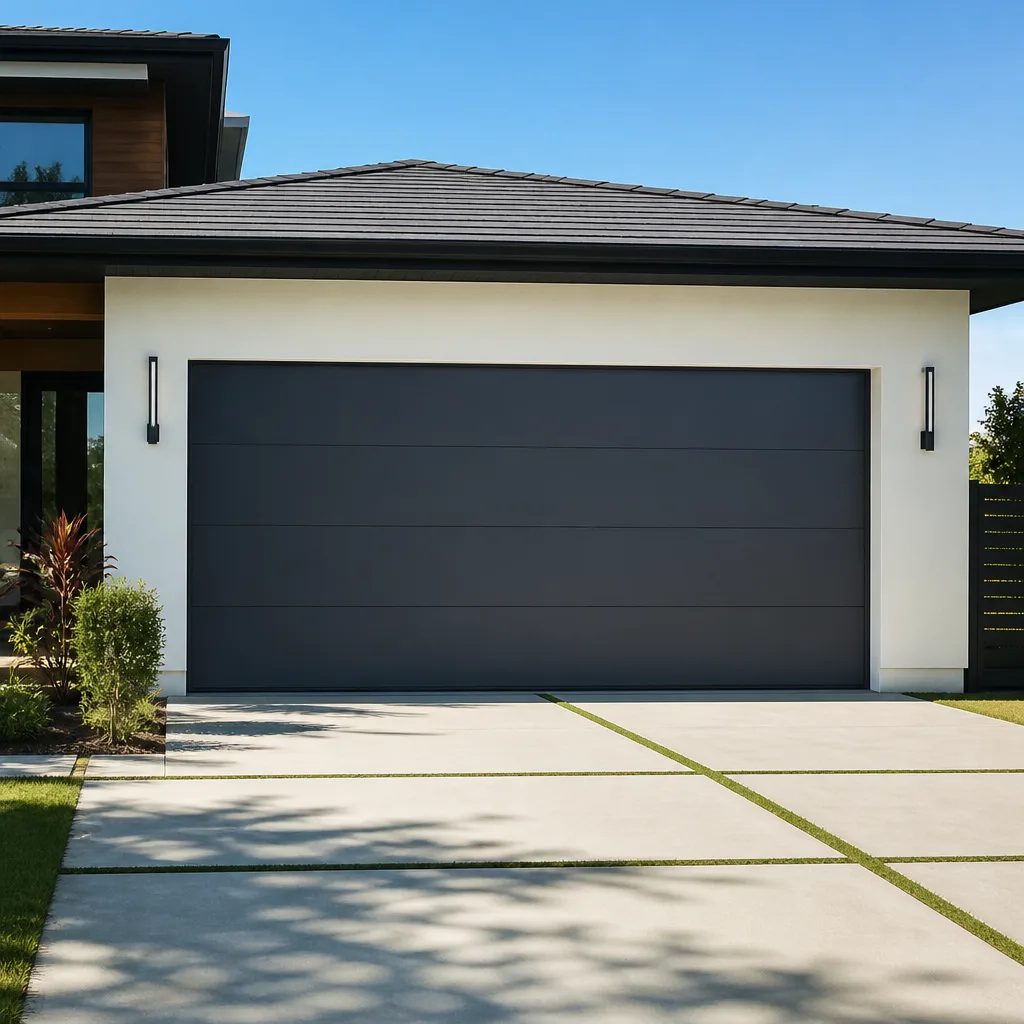 Modern flush
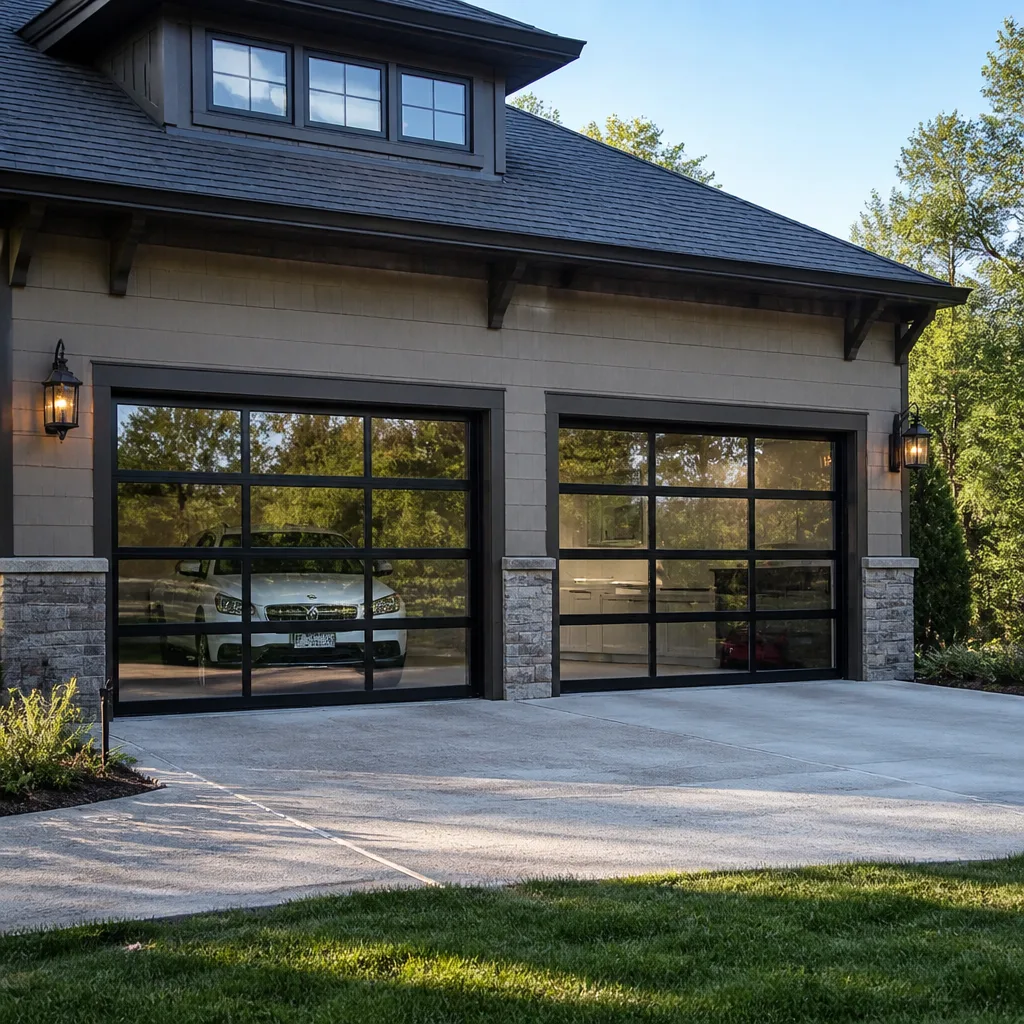 Full-view glass
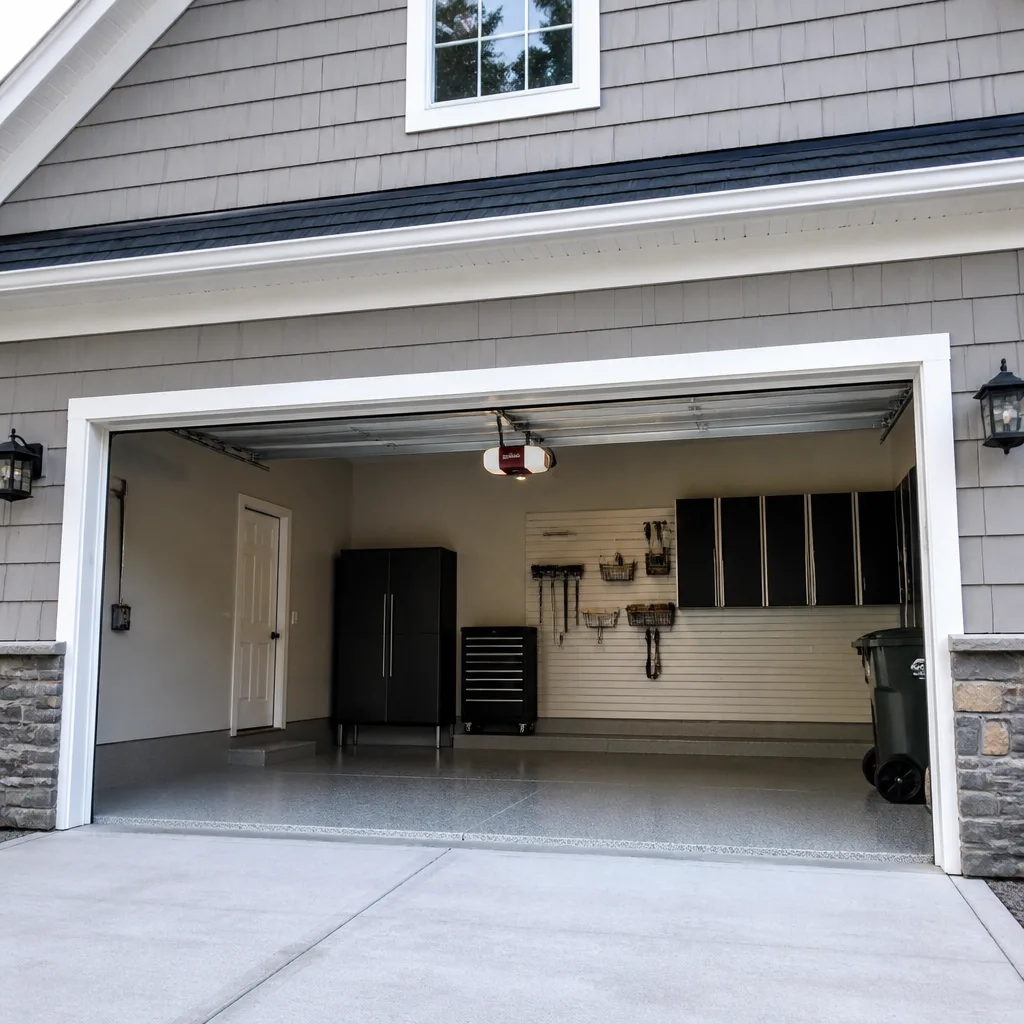 LiftMaster openers
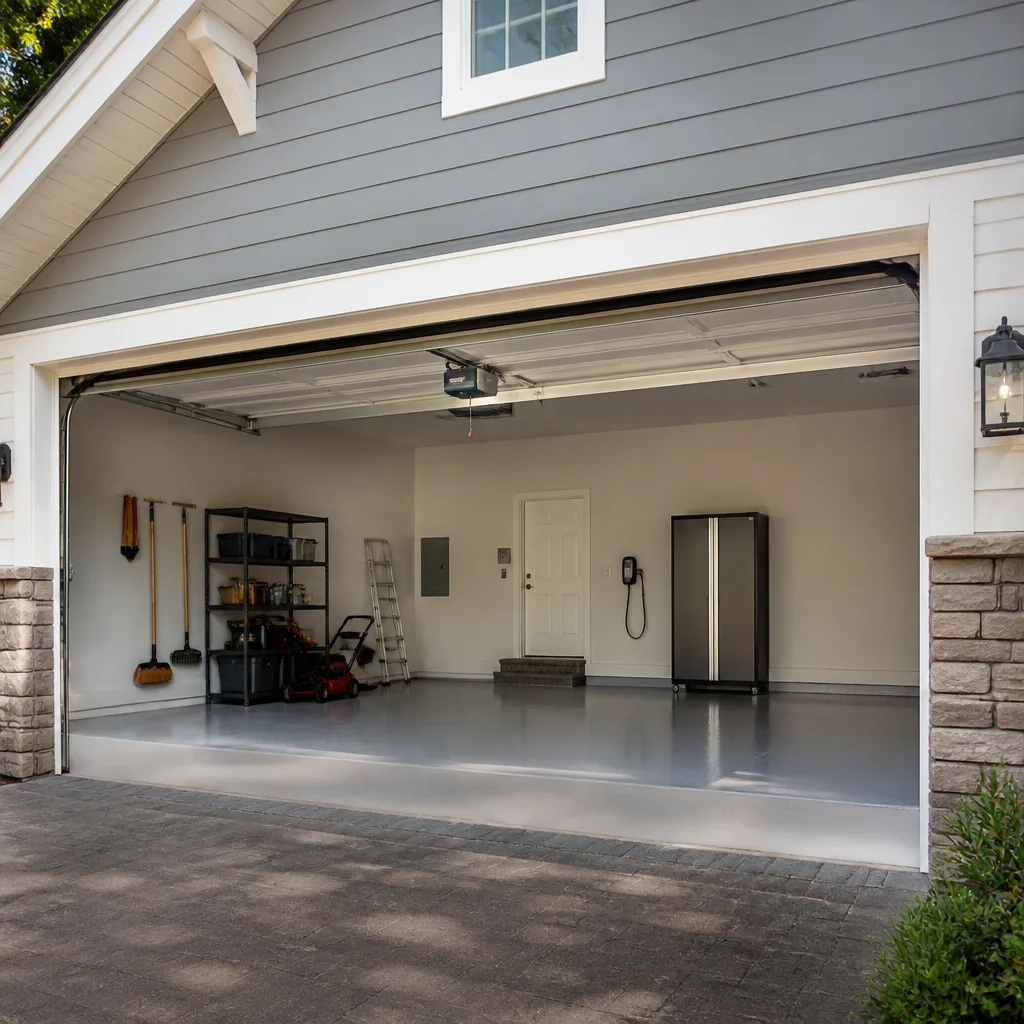 Chamberlain openers
Full 25-point door and opener safety check with every visit - springs, cables, rollers, tracks, and your LiftMaster or Chamberlain opener included
You get a price before we start. It does not change when the pro arrives.
Get your free estimateThe Complete Guide to Garage Doors in Valley Stream
Most garage door advice you’ll find online was written for a subdivision in Arizona or a new build in Texas. It doesn’t fit Valley Stream. The housing stock here tells a different story: dense postwar blocks, Capes and colonials built between 1940 and 1970, and garages framed for single-car widths that modern vehicles have long outgrown. That original framing quietly dictates almost every door decision a homeowner here can realistically make. In this guide we’ll walk through how that construction reality shapes your options, why the South Shore air treats your springs and hinges differently than inland Nassau County, and how to choose, size, and maintain a door that actually fits the house you own.
Quick Answer
The best garage door for a Valley Stream home is one sized to the original opening (often 8 or 9 feet wide) and matched to the header clearance and opener track that the postwar framing allows, not to whatever looks best in a catalog. Springs, hinges, and bottom seals here wear faster than inland because humid South Shore air accelerates corrosion, so spring and hardware checks matter more than in drier parts of Nassau County. For anything involving torsion springs, opener wiring, or a full replacement, a trained specialist should diagnose and handle the work.
Styles & brands we work with
- Raised-panel steel
- Carriage house
- Modern flush
- Full-view glass
- LiftMaster openers
- Chamberlain openers
Table of Contents
- How Valley Stream’s Postwar Housing Shapes Your Garage Door
- Why South Shore Air Wears Your Springs and Hinges Faster
- Common Door Widths in Valley Stream and What Fits Without Rebuilding
- Opener Choice, Motor Ratings, and Nassau County Noise Rules
- Aesthetic Restrictions, HOA Zones, and Rockwood Park
- A Yearly Maintenance Routine That Actually Fits This Climate
- Repair or Replace? A Decision Framework
How Valley Stream’s Postwar Housing Shapes Your Garage Door
The single biggest factor in what garage door you can hang in Valley Stream is not your budget or your taste. It’s the lumber that’s already there. When these homes went up between 1940 and 1970, builders framed garage openings for the cars of that era, and the header above the opening was set with just enough clearance for a simple door and a compact opener. That framing is still doing the same job today, and it sets hard limits.
Here’s what that means in practice:
- Header clearance is tight. Low-profile doors and low-clearance opener rails exist precisely for openings like these. A standard high-lift track setup often won’t fit without cutting into the ceiling, which many homeowners here reasonably don’t want.
- Side room is limited. Torsion springs need a specified amount of side clearance to mount safely. On a narrow frame that becomes a real constraint, and it’s one reason spring work on older Valley Stream garages demands someone who knows the geometry, not a generalist.
- Ceilings are low. Many attached garages here have ceilings that rule out bulkier opener motors and certain track configurations. The motor has to be matched to the space, not the other way around.
- Framing has settled. After decades, openings are rarely perfectly square. A door that measures correctly on paper can still bind if the installer doesn’t account for the actual out-of-square opening.
We’ve seen enough of these frames to know that measurement happens first, before any recommendation. If a contractor quotes you a door over the phone without checking header height and side clearance, they’re guessing. For door repair that keeps an existing opening working within its limits, garage door repair is usually the honest path.
Why South Shore Air Wears Your Springs and Hinges Faster
Valley Stream sits close to the South Shore, and the air here carries more moisture than the inland parts of Nassau County. That doesn’t mean your door is dissolving, but it does change the maintenance math. Metal parts that sit in humid air, especially in a garage that traps moisture, corrode sooner than the same parts on a door ten miles inland.
The parts that suffer first:
- Torsion and extension springs. Springs are the highest-stress part on any door, and surface corrosion gives fatigue cracks a place to start. A spring that’s been quietly rusting for years is a spring closer to failing.
- Hinges and rollers. Hinges dry out and stiffen, and rollers on older doors pick up grit. A door that groans and shudders is often just telling you the hardware needs attention.
- Bottom seals. The rubber or vinyl seal along the floor takes the brunt of ground moisture. Once it hardens and cracks, you get drafts, water intrusion, and occasionally small pests finding their way in.
- Painted steel skins. Any scratch that exposes bare metal is a head start for rust in this air. Touching up chips is cheap; replacing a panel isn’t.
Practically, that means an annual look at springs and hinges is worth more here than it would be inland. It also means that when something does fail, spring work is a job for a professional. Torsion springs store an enormous amount of energy, and there’s no safe way to handle them without the right tools and knowledge. That’s why we treat garage door spring repair as its own specialty.
Common Door Widths in Valley Stream and What Fits Without Rebuilding
Walk down most residential blocks in Valley Stream and you’ll see the same handful of opening sizes repeated. The original single-car openings here are commonly 8 or 9 feet wide, with a smaller number of 16-foot double openings. Those dimensions came from the cars of the mid-twentieth century, and they’re narrower than what a lot of modern vehicles want.
Before assuming you need to widen the opening, know this: widening means moving framing and a header, which is a structural project, not a door project. Most homeowners here are better served by choosing a door that fits the opening they have.
What fits an 8-foot opening
- Standard single-car sectional doors at 8 feet wide, in raised-panel or flush styles.
- Low-clearance track and a compact opener.
- Insulated or non-insulated panels depending on whether the garage is attached.
What fits a 9-foot opening
- Standard single-car doors at 9 feet wide, which give a little more margin for a modern vehicle.
- Slightly wider sections, so the door looks more substantial on the facade.
- Most standard opener track setups.
What fits a 16-foot opening
- Double-car sectional doors, the most common option on the wider lots.
- Two-car single-panel doors where the framing and ceiling allow.
- Bigger opener motors, provided the ceiling height and noise rules permit.
If your opening falls somewhere between these, that’s normal here. Plenty of these homes have non-standard sizes from decades of additions and remodels, which is exactly why a proper measure comes before a quote. A new installation done right starts with the actual opening, not a standard size pulled off a spec sheet. When it’s time to plan that, garage door installation is where the measurement work pays off.
Opener Choice, Motor Ratings, and Nassau County Noise Rules
Openers are where a lot of Valley Stream homeowners get talked into the wrong thing. An attached garage shares a wall with your living space, sometimes a bedroom, and a motor that’s too loud or too powerful for the frame becomes a daily irritation. Nassau County has noise rules that can matter in a dense neighborhood, and a belt-drive opener on a properly set track is quieter than a chain-drive unit that’s been vibrating through a shared wall for years.
What we look at before recommending a motor:
- Ceiling height and track length. The motor has to fit the rail setup the opening allows, not the other way around.
- Door weight. A heavier insulated door needs a motor rated for it. An underpowered opener on a too-heavy door is a short-lived opener.
- Noise. Belt-drive tends to be the quieter choice for attached garages; chain-drive is fine for detached structures where sound isn’t shared.
- Smart features and safety sensors. Modern openers from LiftMaster and Chamberlain include safety reversing systems that must be set up and tested correctly. If those sensors are misaligned, the door won’t close, and that’s a repair call, not a new opener.
If your opener has stopped responding, is grinding, or the door reverses for no clear reason, the fix is often smaller than you’d guess. We diagnose first rather than sell you a motor you may not need. That’s what garage door opener repair is for.
Aesthetic Restrictions, HOA Zones, and Rockwood Park
Valley Stream is a village of dense lots, and appearance is a neighborly concern, not just a personal preference. On streets adjacent to Rockwood Park and in parts of the village governed by homeowners’ associations, there can be aesthetic expectations about finishes: certain colors, certain panel styles, and coordinated looks from the curb. It varies block to block, and it’s not something a national guide can ever tell you.
What this means when you’re choosing a door:
- Check your own restrictions before ordering. If the property is in an HOA zone, ask about approved finishes and panel styles. A door that’s locally common may not be what your association wants.
- Match the house, not the catalog. On Capes and colonials here, a simple raised-panel door in a muted color almost always looks better and ages better than an aggressive modern style that fights the frame.
- Consider window placement. Windows add light but also visual weight. On a dense street, a heavily windowed door can look busy against neighboring facades.
- Keep the material choice honest. Steel doors are the workhorse on this housing stock. Clopay and Amarr build steel doors in a range of panel and color options that suit the postwar facade without needing structural changes.
None of this is a substitute for checking with your village or association directly, but it’s the kind of local context that shapes the recommendation we’d give you on a measure.
A Yearly Maintenance Routine That Actually Fits This Climate
A little routine, done once a year, keeps a Valley Stream garage door out of the emergency category. None of it requires opening a torsion spring or touching opener wiring.
- Look at the springs. Check for visible rust, gaps, or uneven stretching. If you see signs of wear, stop and call a professional. Don’t try to adjust or remove them.
- Lubricate hinges and rollers. A small amount of garage-door lubricant on hinges and roller stems quiets a door and slows corrosion in humid air.
- Inspect the bottom seal. Run a hand along the floor seal. If the rubber is stiff, cracked, or separated from the door, it’s letting moisture and cold air in.
- Test the safety reverse. Put a small object in the door’s path and confirm it reverses on contact. If it doesn’t, that’s an opener sensor issue to fix promptly.
- Balance the door. Disconnect the opener and lift the door by hand to the halfway point. A balanced door stays put. One that drops is a spring or tension problem.
- Touch up chips. Any exposed bare metal on the door face gets a spot of paint. In South Shore air, a small chip becomes a rust spot faster than you’d think.
That’s the whole routine, and it takes under an hour. If a step turns up something that needs real work, don’t push the door harder to see if it clears up. Garage door problems rarely solve themselves, and the small ones turn into bigger ones at the worst time.
Repair or Replace? A Decision Framework
The repair-or-replace call is the one homeowners ask us about most. There’s no single answer, but there’s a clear framework, and it starts with the door’s condition rather than its age.
Lean toward repair when:
- The door panel and framing are sound, and the problem is a spring, hinge, roller, or opener.
- The door is balanced and tracks smoothly, and the repair addresses a specific failing part.
- Replacement would require framing changes to widen the opening, which you don’t need.
Lean toward replace when:
- Multiple panels are dented, rusted through, or damaged, so repairs would piece together a door that no longer looks or performs as one unit.
- The track is bent or the frame has settled enough that the door won’t run true even after hardware repairs.
- You’re upgrading to an insulated door on an attached garage or wanting a style change.
The middle case is where it gets interesting. A door with a sound skin and a failing opener is a repair. A door with a sound opener and a skin that’s rusted through is a replacement. Sometimes both parts are near the end of their life, and a new installation is genuinely the better money. That’s a real conversation on the measure, not a sales line.
One thing we won’t do is quote a door we haven’t measured. If a company gives you a firm replacement price without seeing the opening, they’re guessing about header clearance and side room, and those are exactly the factors that make replacements go over budget.
Common Mistakes to Avoid
- Assuming a wider door will fit. Two sentences: Most Valley Stream openings were framed decades ago, and widening them is a framing project, not a door swap. Measure the opening as it is before you fall in love with a wider style.
- Ordering a standard size over the phone. Plenty of these garages have non-standard openings from old additions. A standard-size order on a non-standard opening means a door that binds or leaks from day one.
- Wrestling with torsion springs alone. Springs store dangerous amounts of energy. This is the one job where a homeowner’s attempt is genuinely risky, and the right move is to call a trained technician.
- Buying the loudest or cheapest opener for an attached garage. A chain-drive unit on a shared wall is a noise complaint waiting to happen. Match the motor to the room it shares a wall with.
- Skipping the annual hinge and seal check. South Shore humidity accelerates corrosion, so a quick yearly look saves money later. Ignoring it is how small rust becomes a spring replacement.
- Ignoring HOA and village finish rules. On streets near Rockwood Park and in HOA zones, appearance expectations vary by block. Check first, order second.
- Forcing a door that’s sticking. If the door shudders or reverses, something is out of balance or misaligned. Forcing it grinds down the opener and the track, turning one small fix into two.
See the difference
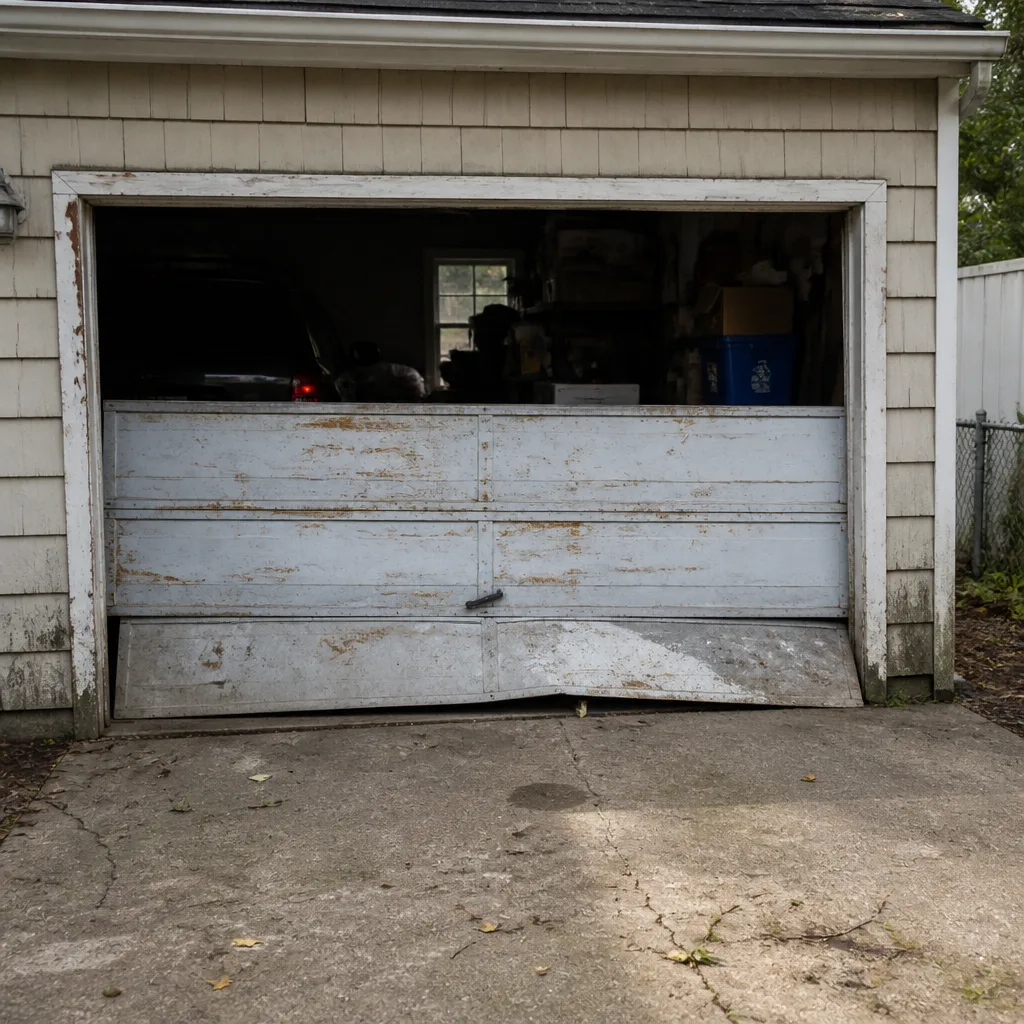 Before
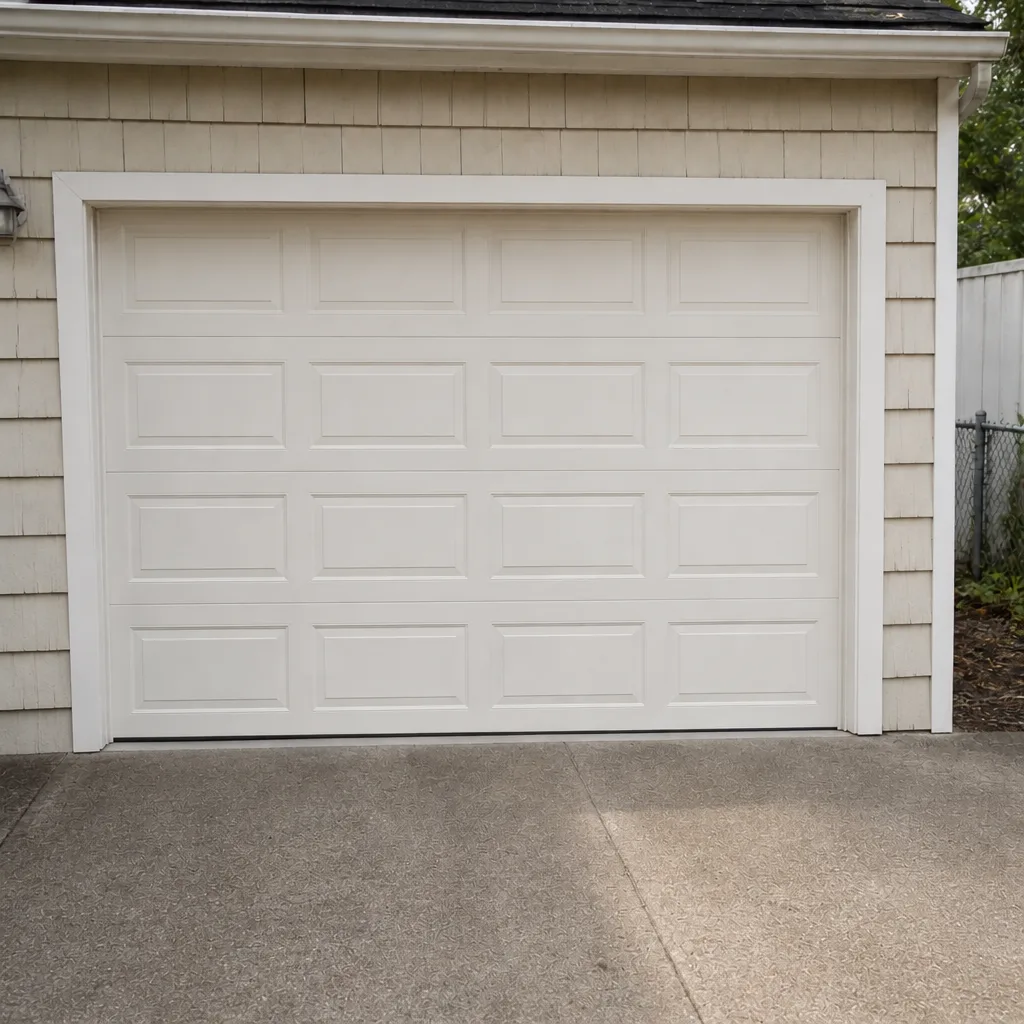 After
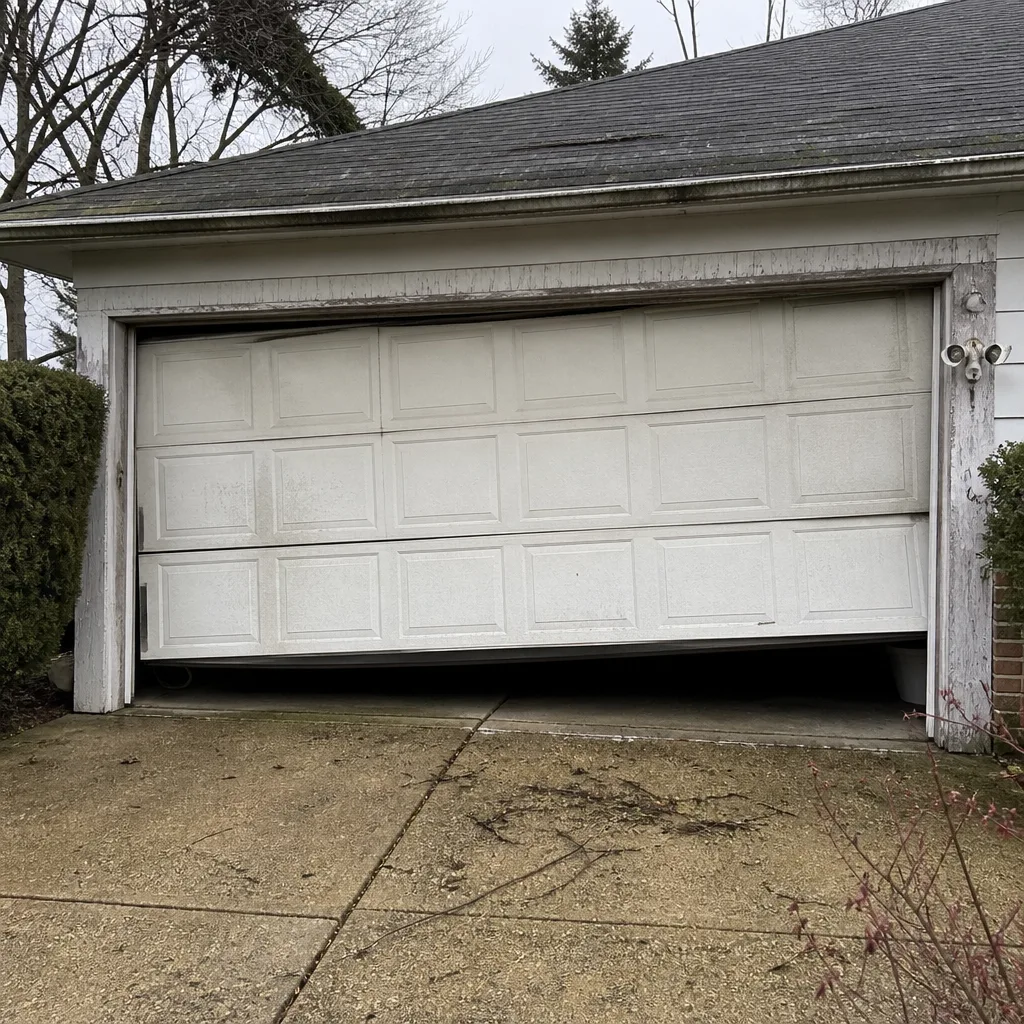 Before
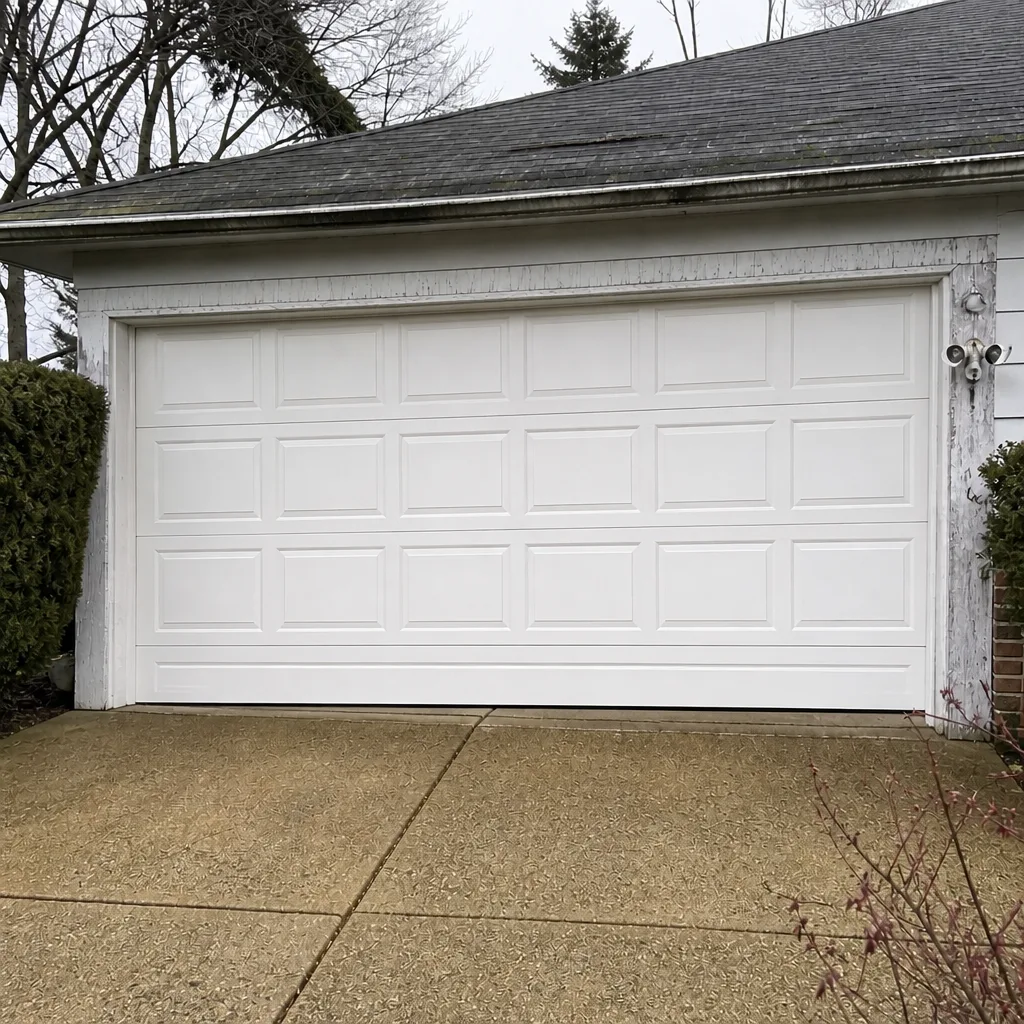 After
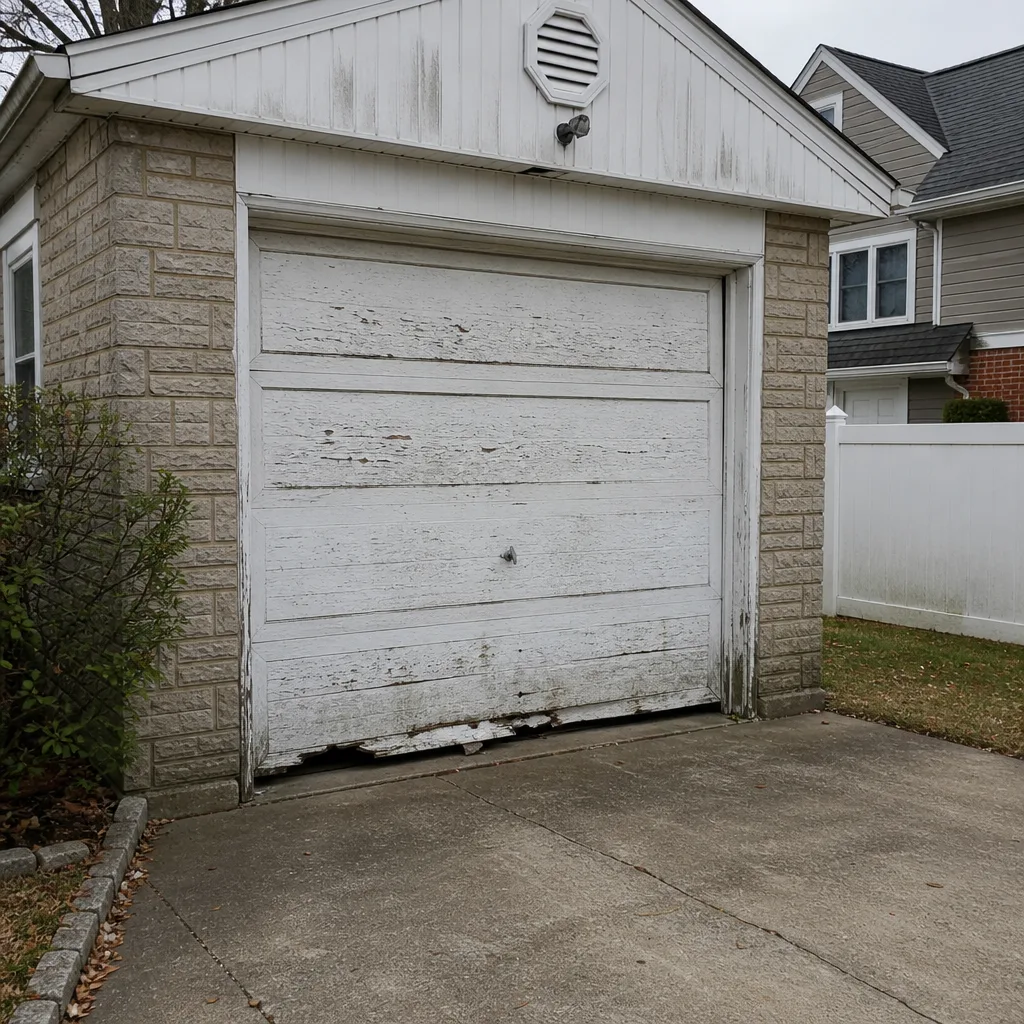 Before
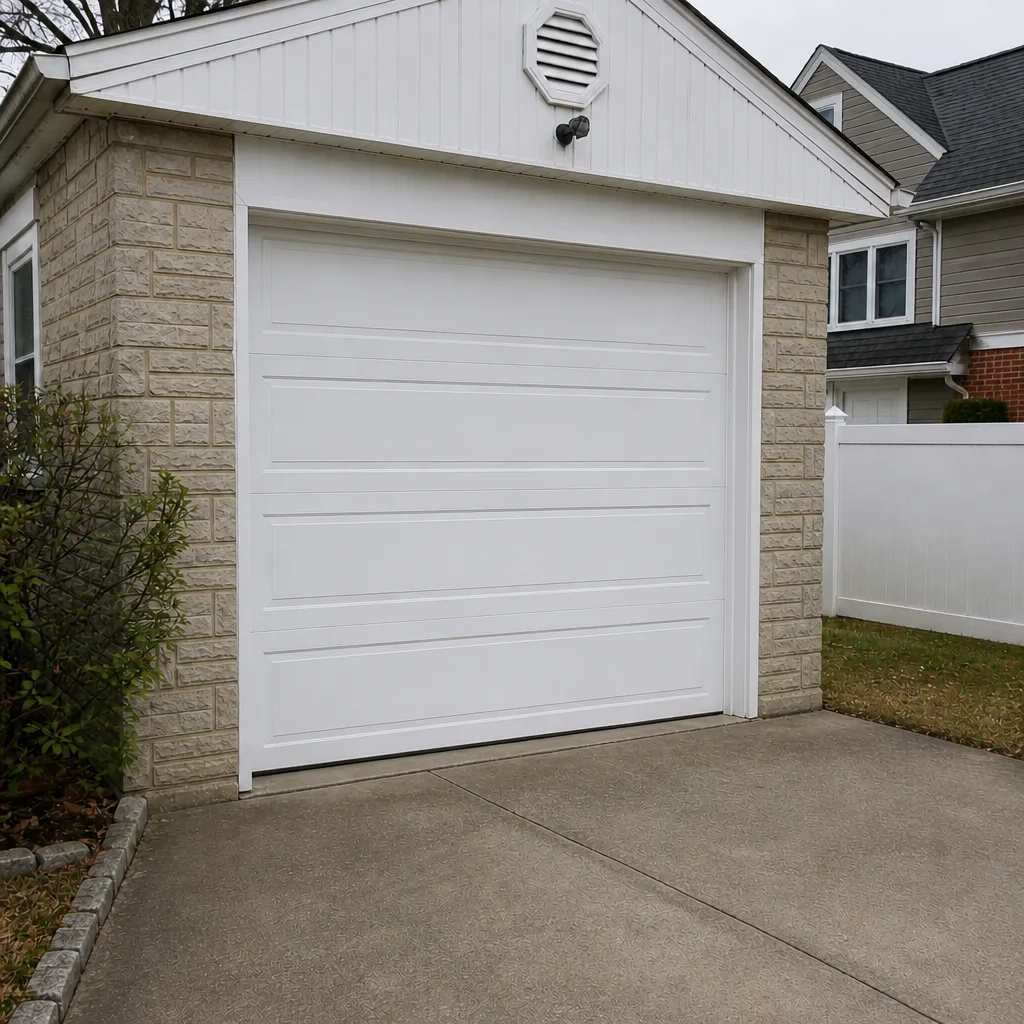 After
When to Call a Professional
Some garage door work is a homeowner’s job: lubricating hinges, testing the safety reverse, touching up paint. Some of it isn’t. Call a professional when a torsion or extension spring is broken or visibly failing, when the door is off its track or hanging unevenly, when the opener grinds, reverses unexpectedly, or won’t respond, when the door’s weight suddenly feels wrong when you lift it, or when the frame and opening don’t line up well enough to hold a door true. Spring, wiring, and panel work all involve real physical risk, and a trained technician handles the job correctly the first time instead of forcing it. We’ve seen enough of these homes to know the difference between a small fix and a safety call.
Valley Stream Garage Door Repair Pros offers free estimates in Valley Stream. Call (833) 508-9959. Our technicians have up to 9 years of experience, and we work on the brands households here actually own: LiftMaster, Chamberlain, Genie, Clopay, Amarr, Wayne Dalton, Craftsman, and Raynor. Emergency service outside standard business hours is available for the moments when a door traps a car or won’t close. Whatever the door is doing, start with Valley Stream Garage Door Repair Pros and a straightforward diagnosis.
Frequently Asked Questions
Most Valley Stream homes were built with single-car openings that are commonly 8 or 9 feet wide, with some 16-foot double openings. The right choice is the door that fits the opening as framed, not a standard size chosen before measuring.
South Shore air carries more moisture, and humid air accelerates corrosion on torsion and extension springs, hinges, and bottom seals. Springs that corrode develop cracks sooner, which is why an annual spring inspection and prompt garage door spring repair matter more on this side of Nassau County.
Not a specific model, but a quieter and correctly sized motor. Attached garages here share walls with living space, so belt-drive openers from brands like LiftMaster or Chamberlain are often a better fit than loud chain-drive units, and Nassau County noise rules can matter on dense streets.
Widening an opening means moving framing and a header, which is a structural project. In most Valley Stream homes it’s smarter to choose a door that fits the existing opening than to rebuild the frame, and a proper measure tells you which way to go.
Appearance expectations vary block to block, and some HOA zones near Rockwood Park and elsewhere in the village have finish and panel-style expectations. Check with your village or association before ordering a door.
Most repair calls can be handled the same day, and emergency service outside standard business hours is available for a door that’s stuck or won’t close. Call (833) 508-9959 and we’ll diagnose the problem and quote the repair before any work starts.
The Bottom Line
The garage door situation in Valley Stream comes down to the housing stock. Openings framed decades ago set the limits on width, header clearance, and opener choice, and the South Shore air adds a little more wear to springs, hinges, and seals than you’d see inland. Measure first, choose a door that fits the opening as framed, keep the annual maintenance routine small, and leave the spring and wiring work to a specialist. That combination keeps a door working for a long time. When something needs attention, a proper diagnosis saves you from guessing. Call (833) 508-9959 for a free estimate.
Written by the team at Valley Stream Garage Door Repair Pros.