Last updated November 23, 2026
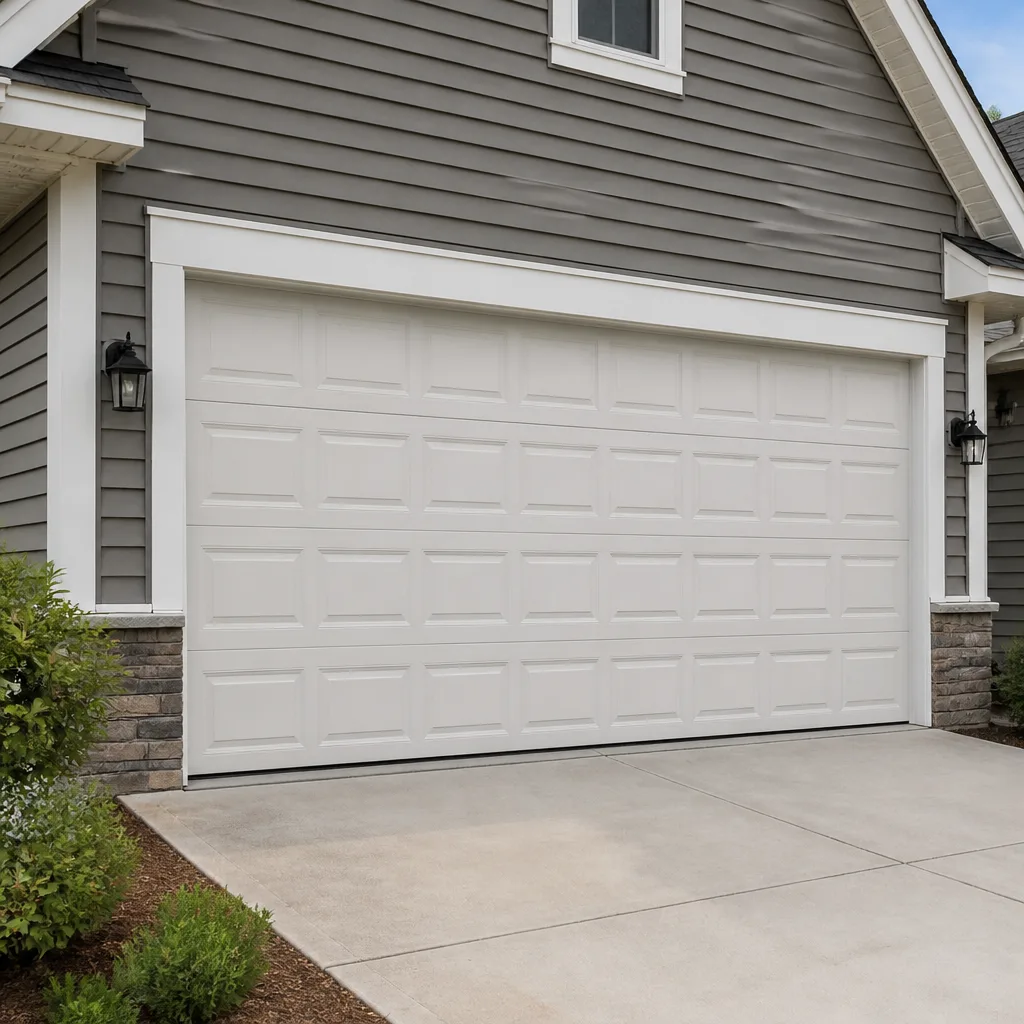 Raised-panel steel
 Carriage house
 Modern flush
 Full-view glass
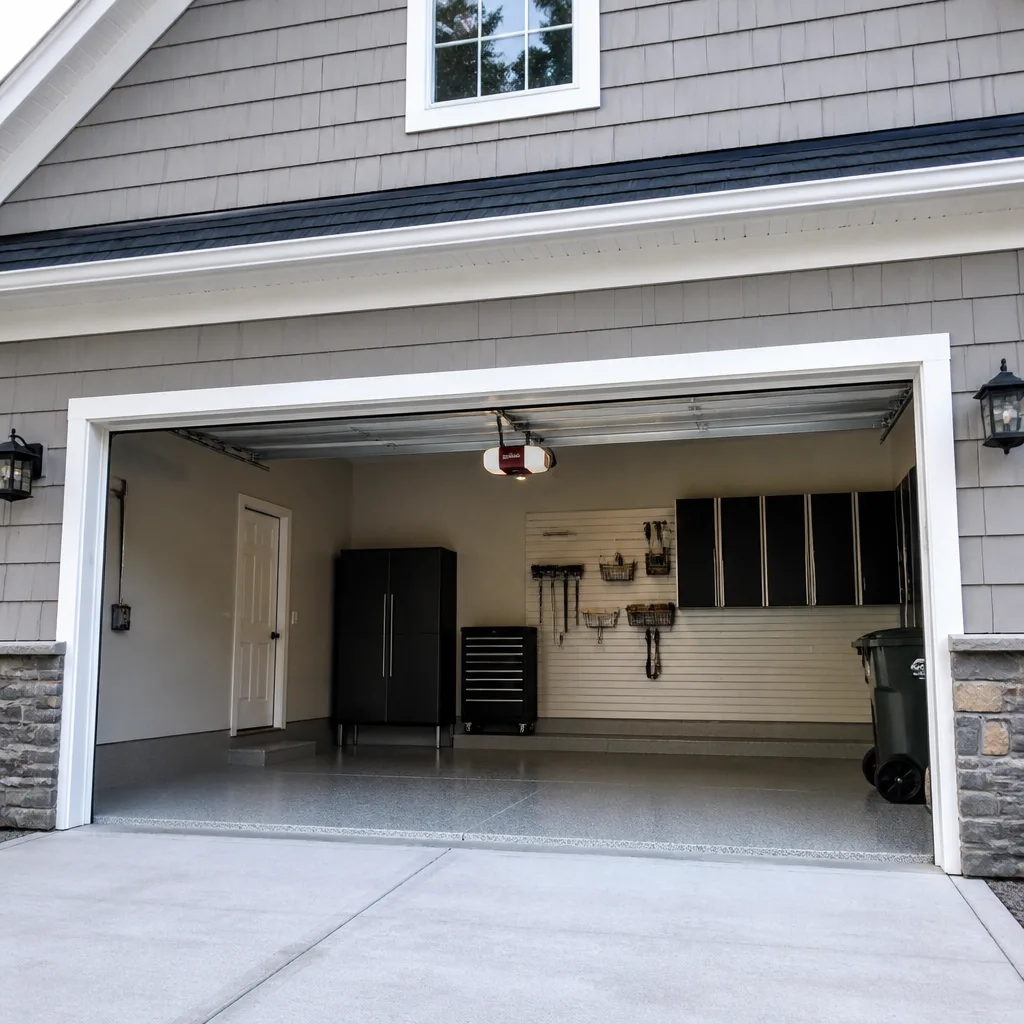 LiftMaster openers
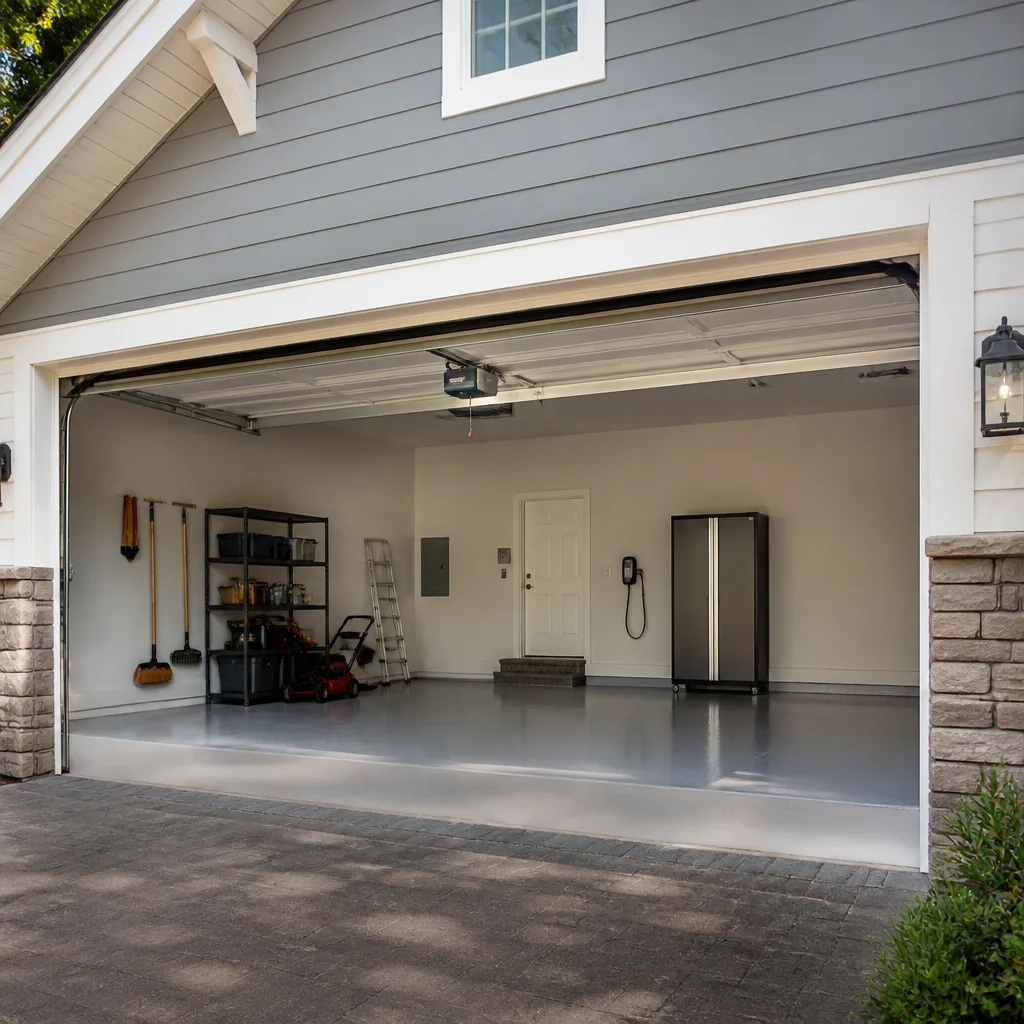 Chamberlain openers
Full 25-point door and opener safety check with every visit - springs, cables, rollers, tracks, and your LiftMaster or Chamberlain opener included
You get a price before we start. It does not change when the pro arrives.
Get your free estimateSeasonal Garage Door Care for Valley Stream: Year-Round Homeowner’s Guide
Most homeowners assume the garage door is a summer problem or a deep-winter problem. In Valley Stream, the door gives out most often in March, when freeze-thaw cycling runs daily and the bottom seal that held all winter finally cracks and splits. The same coastal Long Island weather that softens winters also spikes humidity during nor’easters, bakes vinyl and fiberglass skins through summer ozone, and pushes road salt into the bottom 18 inches of every door in the neighborhood. This guide lays out a month-by-month care calendar built for Valley Stream’s actual weather, not generic winter-spring-fall buckets. You’ll learn what to check, when to check it, and which jobs belong to a trained technician.
Quick Answer
Garage door care in Valley Stream follows a local calendar, not a national one: pre-storm checks in late summer and early fall, a professional tune-up in October when temperature swings start moving spring tension, seal and track inspections in March when freeze-thaw peaks, and hardware lubrication in June before humidity climbs. Springs, cables, and opener tension adjustments are professional work because they involve high-tension components. Seals, tracks, and lubrication you can handle yourself.
Styles & brands we work with
- Raised-panel steel
- Carriage house
- Modern flush
- Full-view glass
- LiftMaster openers
- Chamberlain openers
Table of Contents
- Why Valley Stream Weather Is Harder on Garage Doors Than You’d Think
- The Valley Stream Month-by-Month Care Calendar
- March: Why This Is the Failure Month
- Nor’easter Prep: What to Check Before a Major Storm
- Summer Ozone and UV: What Fading Really Means
- October: The Highest-Value Tune-Up Month
- Road Salt Migration and the Bottom 18 Inches
- Common Mistakes to Avoid
- When to Call a Professional
- Frequently Asked Questions
Why Valley Stream Weather Is Harder on Garage Doors Than You’d Think
Valley Stream sits in a band of Long Island where winter temperatures hover near freezing instead of staying well below it. That single fact changes how garage doors age. A door in a climate that freezes hard in December and stays frozen until March gets one long contraction cycle. A door in Valley Stream can see freeze at night and thaw by afternoon for weeks at a time. Every one of those cycles works the seals, the weatherstripping, the bottom retainer, and the metal skin at the panel joints.
Humidity is the second stressor. Nor’easters push moisture-laden air against the door face for hours, then the system dries out fast on the back side. Wood-look steel doors and steel-backed insulated panels handle this well if their finish is intact. A door with a chipped paint edge or a cracked bottom seal lets moisture into the steel core, and rust starts from the inside where you can’t see it.
The third stressor is summer. Long Island gets real ozone days in July and August, and ozone plus UV is what turns a white vinyl or fiberglass door skin chalky and dull over a few seasons. We work with Clopay and Amarr doors across Valley Stream, and the ones that last longest are the ones where the homeowner caught the chalky finish early and cleaned it instead of waiting for it to crack.
Add road salt in winter, tracked onto the garage floor by every car that comes in wet, and you have a door that’s facing four different kinds of stress in a single year. Each one hits a different component on a different schedule. That’s why a generic “check your door twice a year” plan doesn’t work in Valley Stream. You need a calendar tied to what the weather is actually doing.
The good news: none of these stressors is hard to manage if you know when to look. The rest of this guide walks through what to check, when, and how to tell the difference between a five-minute adjustment you can do yourself and a job that needs a technician.
The Valley Stream Month-by-Month Care Calendar
Here’s the calendar we recommend to homeowners across Valley Stream. It’s built around when each stressor peaks locally, not around the generic seasons. Print it out, put it on the garage wall, and check the boxes as you go.
- January: Watch for frozen bottom seals sticking to the concrete. If the door hesitates on the way up, don’t force it. Call for garage door repair if the door won’t move at all.
- February: Check the weatherstripping on the sides and top for gaps. Cold, dry air makes rubber shrink and pull away from the frame.
- March: Full seal and track inspection. This is the peak failure month. Walk the door every week.
- April: Clean and treat the bottom seal after the freeze-thaw season ends. Wipe down the tracks and clear debris.
- May: Test the opener’s auto-reverse and check the safety sensors are aligned. Lubricate hinges, rollers, and the torsion bar with a garage-door-rated lubricant.
- June: Post-humidity check. Look for swelling at the panel joints and any new rust starting at the bottom edge.
- July – August: UV and ozone season. Wash the door skin monthly and look for chalky finish or faint warping.
- September: Nor’easter prep. The peak Atlantic storm window opens now. Check seals, tracks, and the emergency release.
- October: The high-value professional tune-up. Book it before the first hard cold snap.
- November: Salt season starts. Lay a mat at the garage entry to catch road salt off tires.
- December: Final hardware check before deep winter. Listen for new noises on the way up or down.
You don’t need to do every step in every month. But this is the rhythm. Skip a month and you’ll usually catch it the next one. Skip two in a row and the March failure month has a way of finding you.
March: Why This Is the Failure Month
March is the worst month for garage door failures in Valley Stream, and it isn’t because the weather is at its coldest. It’s because freeze-thaw cycling runs daily. Water seeps into a cracked bottom seal or a hairline gap at a panel joint during the day, freezes at night, expands, and pushes the material apart. By the time the weather stabilizes in April, everything flexible has been worked over dozens of times.
Here’s what to inspect every week through March:
- Bottom seal: Look for cracking, splitting, or pieces missing. A split seal lets water under the door and onto the garage floor, and that’s where salt-driven rust starts.
- Side weatherstripping: Run your hand down the sides. Any gap wider than a finger is a leak path and a heat-loss path.
- Track alignment: Stand inside the garage and look up at both tracks. They should be parallel, straight, and clean. Any bow or kink is a sign the door has been binding.
- Panel joints: Check the seams between panels for lifted paint or rust bleeding through. That’s freeze-thaw damage surfacing.
- Door movement: Listen when you open and close. A door that was quiet in November and now creaks or shudders has a hardware or balance problem developing.
If the bottom seal is split, replace it. That’s a component you can handle with a replacement seal sized to your door. If the tracks are bowed, the door is binding, or you hear grinding on the way up, that’s a job for a technician. Tracks out of alignment can bend hinges and wear out rollers fast, and twisting a torsion track back into place incorrectly is how doors come off their rollers.
If March arrives and your door is already groaning, get ahead of it. A spring that’s been slowly losing tension all winter is the kind of thing that fails on a Tuesday morning when you need to be somewhere. Springs are the one component we always tell homeowners not to touch. They’re under extreme tension, and this is not a DIY fix.
Nor’easter Prep: What to Check Before a Major Storm
Standard storm prep is about getting the car inside and bringing the patio furniture in. Nor’easter prep for a garage door is different, because the threat isn’t wind lifting the door. It’s sustained wind-driven rain pushing water against the door face for hours, then a pressure drop that can make the door rattle on its hinges, then a fast return to wet and warm. That combination finds every gap in a seal and every loose hinge screw.
Before the storm arrives, here’s what to check:
- Bottom seal integrity. Run your hand under the closed door along the full width. If you can feel daylight or a draft anywhere, wind-driven rain will get in. Replace a damaged seal before the storm, not after.
- Track alignment. Both tracks vertical and parallel. A track that’s leaning inward at the top lets the door lean against it under wind load and can pop a roller.
- Hinge screws. Tighten any loose screws at the hinges and the bottom bracket. Sustained rattle loosens them further, and a missing screw is a stress riser.
- Emergency release. Test the red handle on the opener trolley. In a power outage during a storm, you’ll need it to open the door by hand.
- Ground clearance. Clear the garage floor apron of anything the wind can move. Debris against a door under wind load is how tracks get bent.
After a nor’easter passes, re-check the seal and tracks once the door has dried. Don’t wait until the next storm to see whether something shifted. If the door is binding, tracks are visibly bent, or it’s stopped moving smoothly, call for garage door repair. We see a lot of post-storm track damage on doors that were already out of alignment before the wind picked up. Catching it early keeps a bent track from turning into bent panels.
Summer Ozone and UV: What Fading Really Means
Summer in Valley Stream brings the other half of the local stress picture. Long Island regularly sees high-ozone days in July and August. Ozone is an oxidizer, and it attacks the finish and surface of a vinyl or fiberglass door skin the same way it attacks a rubber car part left out too long. UV does its own damage alongside it. Neither one destroys a door in a single summer. But five or six summers of unchecked exposure is when the skin on a door that was supposed to last twenty years begins to fail.
What to look for on a vinyl or fiberglass door:
- Chalky finish. Run your hand along the door. If it comes away with a white, powdery residue, the finish is chalking. That’s the surface breaking down under UV and ozone.
- Fading color. A white door that’s now grayish, or a colored door where one side faces south and looks a shade lighter, is the first sign of UV exposure.
- Faint warping. Look along the door’s edge lines from a few feet away. Panels that once lined up cleanly and now show a slight wave are starting to warp from uneven expansion.
- Cracking at edges. Small cracks at the panel edges or near the bottom are the last stage before the skin needs structural work.
The good news is that chalking and fading are reversible if you catch them before the surface cracks. A gentle wash with a mild detergent and water once a month in July and August removes the oxidized layer. Don’t use an abrasive pad. Don’t use a high-pressure washer on a vinyl or fiberglass skin, since the pressure drives water into the seams. A garden hose, a soft cloth, and mild soap is what these finishes want.
If the door skin is warping or cracking, that’s past maintenance. Uneven warping usually means the door’s structural frame has been stressed, and a warped panel can catch on the track. Call for a technician to look at it. We work with Clopay and Amarr doors, and both brands’ skins hold up well when the finish is maintained. The doors that fade out are the ones that never got washed.
October: The Highest-Value Tune-Up Month
October is the highest-value month for a professional tune-up in this region, and the reason has to do with how garage door springs behave at temperature. Springs are tension components. Their effective tension changes with temperature, and the swings in Valley Stream are large: an October morning in the 40s, an afternoon in the 70s. Over the course of the month, that daily cycling puts a lot of wear on a spring’s modulus, which is the physical property that determines how much force it delivers at a given stretch.
What that means practically: a door that felt perfectly balanced in July may feel slightly different in October, and the difference becomes noticeable as the cold settles in through November. A professional tune-up in October catches a spring that’s drifted out of spec before the cold weather pushes it past the point where it can be adjusted. It also lets the technician rebalance the opener force setting to match.
Here’s what a professional tune-up typically covers:
- Spring tension check: Both torsion and extension springs, measured and adjusted to balance the door correctly.
- Cable inspection: Cables are under high tension and hidden inside the torsion tube or along the sides. Fraying or kinking is a fail point.
- Roller and hinge check: Worn rollers make the door loud and can score the tracks.
- Opener force setting: The opener’s travel and force limits should be rebalanced to the season’s door weight.
- Sensor alignment: The safety sensors at the bottom of the track need to be aligned and clear. Misalignment is the most common cause of “the door won’t close” calls.
- Lubrication: Hinges, rollers, and the torsion bar get a garage-door-rated lubricant. Not WD-40, which is a solvent, not a lubricant.
We see this pattern most clearly in Valley Stream homes where the door faces southwest and takes full afternoon sun. The door heats up in the afternoon and cools off fast at night, and the spring cycles through more tension changes than a door on the shaded side of the house. A fall tune-up on those doors is the highest-value maintenance dollar of the year. Book your tune-up or a garage door spring repair before the first hard cold snap, typically late October in this part of Long Island.
Road Salt Migration and the Bottom 18 Inches
Winter road salt is one of the most underrated components of local garage door wear. Every car that pulls into the garage wet after a Valley Stream winter drive brings saltwater with it. That water puddles on the floor, splashes up against the bottom of the door, and sits under the bottom seal where it has nowhere to drain. Over a winter, the bottom 18 inches of your door see more salt exposure than the top of the door sees in its whole life.
The commercial trucks that de-ice Long Island roads rely on rock salt and brine. Both migrate onto driveways and into garages. The visible damage shows up as rust spots at the bottom panel, paint blisters along the bottom edge, and a bottom seal that starts to soften and split at the corners. The bottom seal is where the salt attack starts, because it holds moisture against the door and against the concrete.
What to do about salt damage:
- Lay a mat at the garage entry. A salt-catching mat that traps water on the way in keeps most of the salt off the garage floor.
- Rinse the floor with a hose. Once a month during salt season, hose the garage floor down and let it drain. Don’t use a pressure washer against the door.
- Wipe the bottom of the door regularly. A damp cloth along the bottom rail and the bottom panel edge removes salt before it works into the paint.
- Check the bottom seal for softness. A seal that was firm in October and feels soft in February is on its way out. Replace it before spring.
- Watch for rust at the bottom edge. Any new rust spot at the bottom 18 inches needs to be sanded, primed, and painted before it creeps further.
If the bottom panel is rusty through the paint and starting to flex when you press on it, the door may need panel repair or a bottom section replacement. That’s a job for a technician because the bottom panel carries the seal and the bottom bracket, and the bottom bracket is under torsion spring tension on many doors. We work with Wayne Dalton and Craftsman doors regularly in Valley Stream homes, and the bottom panels on both hold up well if the salt gets washed off once a month. If it doesn’t get washed off, the rust is what eventually demands a new door.
Common Mistakes to Avoid
- Lubricating the tracks. Tracks are supposed to stay dry and clean. Lubricant attracts dirt, and the dirt cakes into the rollers. U se a garage-door-rated lubricant on hinges and rollers instead, and wipe the tracks down with a dry cloth.
- Ignoring a bottom seal split for a whole winter. A split seal seems cosmetic. It isn’t, at least not in Valley Stream. Water gets under the door, salt follows, and by March the bottom panel is rusting from the inside. Replace a split seal the week you notice it.
- Pressure-washing the door. Pressure-washers drive water into the seams of insulated panels and behind vinyl and fiberglass skins. A garden hose and mild soap is what these finishes want.
- Adjusting a torsion spring yourself. Springs are under extreme tension and the stored energy is enormous. This is the specific repair we tell every homeowner not to attempt. Use garage door spring repair and let a trained technician do the work.
- Skipping the October tune-up because “the door still works.” A door that works is exactly when a tune-up catches the most. Waiting for a failure is the most expensive maintenance strategy on the calendar.
- Using WD-40 as a lubricant on the spring, hinges, or rollers. WD-40 is a water displacer, not a long-term lubricant, and it dries out the very parts it’s supposed to protect.
- Testing the emergency release without checking whether the opener is disconnected. Pull the release with the door up and the door can slam down under its own weight. Test it with the door down and the spring balanced. If you aren’t sure how, ask for an garage door opener repair inspection.
When to Call a Professional
Some jobs belong to a technician and some belong to you. The split is clean. DIY: bottom seal replacement, track cleaning, hinge and roller lubrication, surface washes, salt rinses, sensor alignment, and visual inspections through the month-by-month calendar. Professional: anything involving springs, cables, torsion tubes, bent tracks, warped panels, and opener force or limit settings.
The pattern that costs Valley Stream homeowners the most is waiting until the door stops working entirely. A broken spring, a snapped cable, or a door off its track is a call, but so is the squeak that started in March and never got louder, or the seal that split and never got replaced. Early-stage calls are almost always smaller repairs than late-stage calls. And a spring that’s already showing symptoms in March is going to fail in the middle of a workday when the car is inside.
Emergency calls are core to what we do. If the door traps a car at 6 a.m. or won’t close after the family is in bed, call. We diagnose and repair the door’s actual problem on the visit, not a guess that turns into a second trip. Valley Stream Garage Door Repair Pros offers free estimates in Valley Stream. Call (833) 508-9959.
Our technicians have up to 9 years of experience working on doors from LiftMaster, Chamberlain, Genie, Clopay, Amarr, Wayne Dalton, Craftsman, and Raynor. We work on your brand, and the whole service history stays with one specialist instead of getting handed off between trades. That matters most for Valley Stream homeowners who’ve been told their door needs replacing when it only needs tuning.
Frequently Asked Questions
March is the worst month because of daily freeze-thaw cycling. Water gets into any crack or seam, freezes at night, and expands, and the bottom seal and panel joints take the brunt of it. Inspect the bottom seal, side weatherstripping, and track alignment weekly through March.
Once a year, and October is the best month to schedule it. That’s when temperature swings start moving spring tension, and a tune-up before the first hard cold snap catches the drift while it can still be adjusted. A spring that feels balanced in July often doesn’t by November.
You can replace the bottom seal yourself if the door is otherwise balanced and the tracks are aligned. It’s a component swap, not a spring or cable job. If the tracks are bowed, the door is binding, or the bottom panel is rusty through the paint, call a technician instead.
Freeze-thaw cycling loosens hardware and stresses rollers through the winter. A door that was quiet in November and now creaks in March has typically developed loose hinge screws, worn rollers, or a track that shifted slightly. Tighten the hinge screws and lubricate the rollers. If the noise continues or the door shudders, that’s a balance problem a technician should look at.
Check the bottom seal integrity, tighten loose hinge screws, verify the tracks are parallel, test the emergency release, and clear debris from the floor apron. Wind-driven rain finds any gap in a seal, and sustained wind load stresses the tracks. A seal that feels firm on a dry day is the one to check first.
Yes, and the bottom 18 inches take more salt exposure than the rest of the door combined. Wet cars track saltwater into the garage, it puddles under the bottom seal, and it attacks the paint and the steel underneath. Lay a mat at the entry, rinse the floor monthly through salt season, and wipe down the bottom rail. If the bottom panel is rusty through the paint, call for repair before the panel flexes.
Fading is cosmetic and reversible with a monthly gentle wash in July and August. Failing is when the surface feels chalky, the color has gone noticeably lighter than a shaded door, the edges show a slight wave, or cracks are appearing. Cracking and warping mean the door’s structural frame is under stress, and that warrants a professional inspection.
The Bottom Line
Garage door care in Valley Stream is a calendar problem more than a checklist problem. March needs the seal and track attention. October needs the professional tune-up. July and August need a monthly wash to hold off UV and ozone. Every winter month needs the salt rinsed away from the bottom 18 inches. You can handle the seals, tracks, lubrication, and washes. Springs, cables, bent tracks, and opener settings need a technician. The doors that last the longest in Valley Stream are the ones where the homeowner is checking the right components at the right time of year, not the ones that got the most expensive repairs. If you’re not sure which side of that line a problem sits on, call and ask.
Valley Stream Garage Door Repair Pros is a dedicated garage door specialist handling repair, garage door opener repair, spring work, new installation, and emergency service for homeowners across Valley Stream. One call handles all of it. Call (833) 508-9959 for a free estimate, and if you’d rather start with Valley Stream Garage Door Repair Pros online, the team is ready to help.
Written by the team at Valley Stream Garage Door Repair Pros.
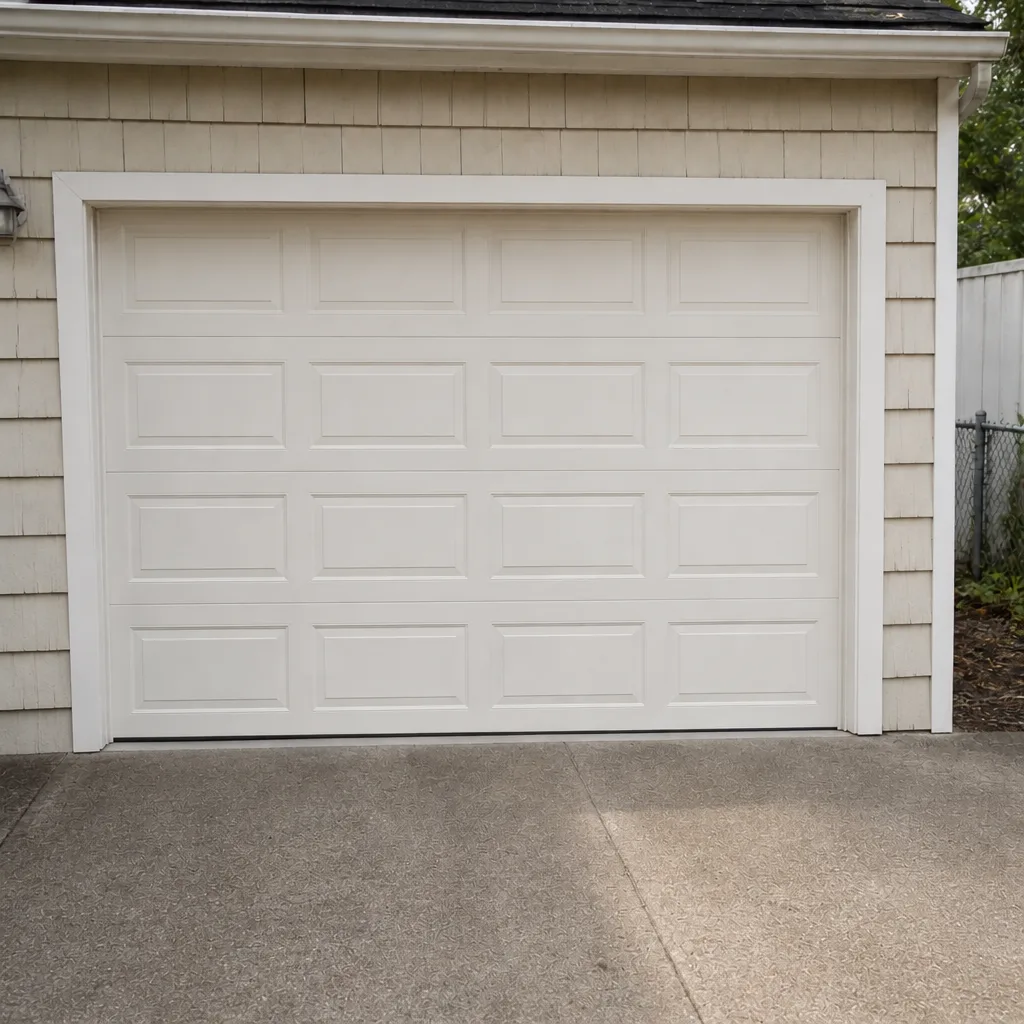
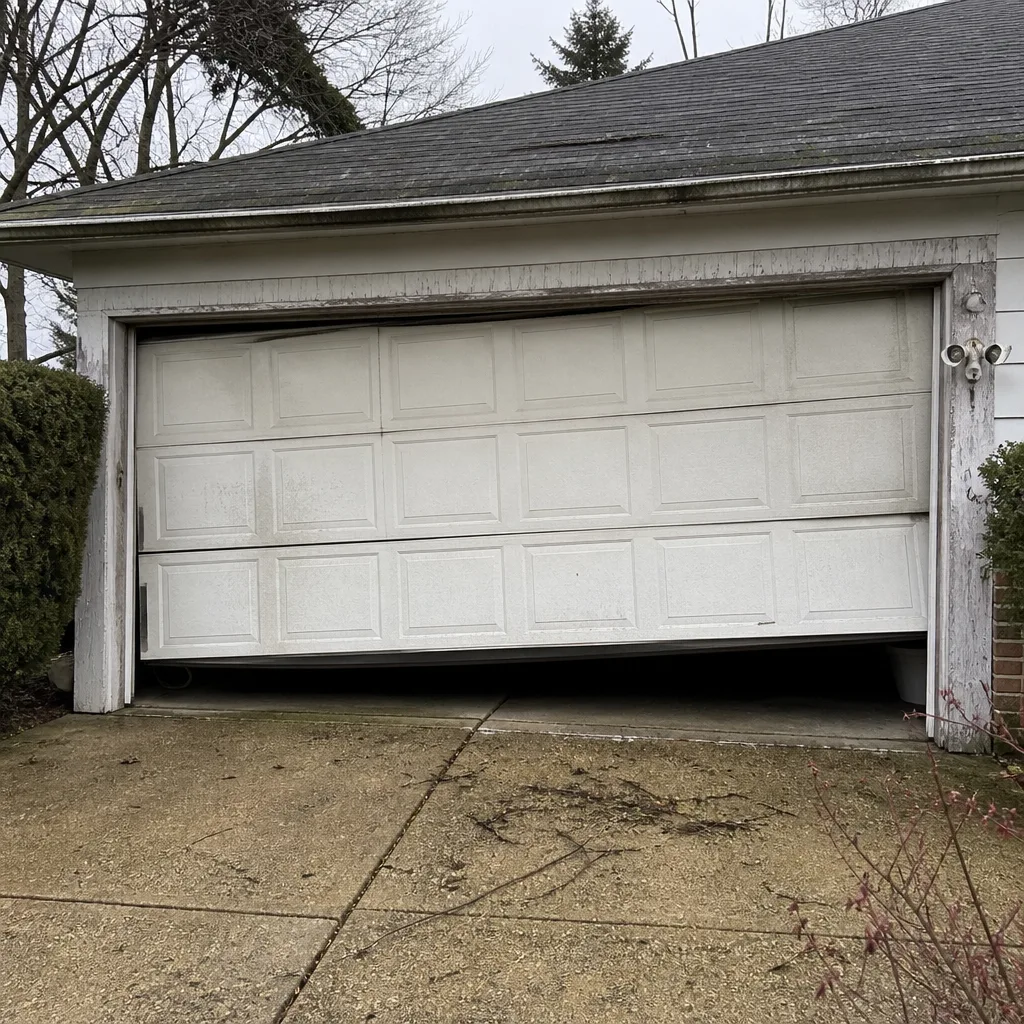
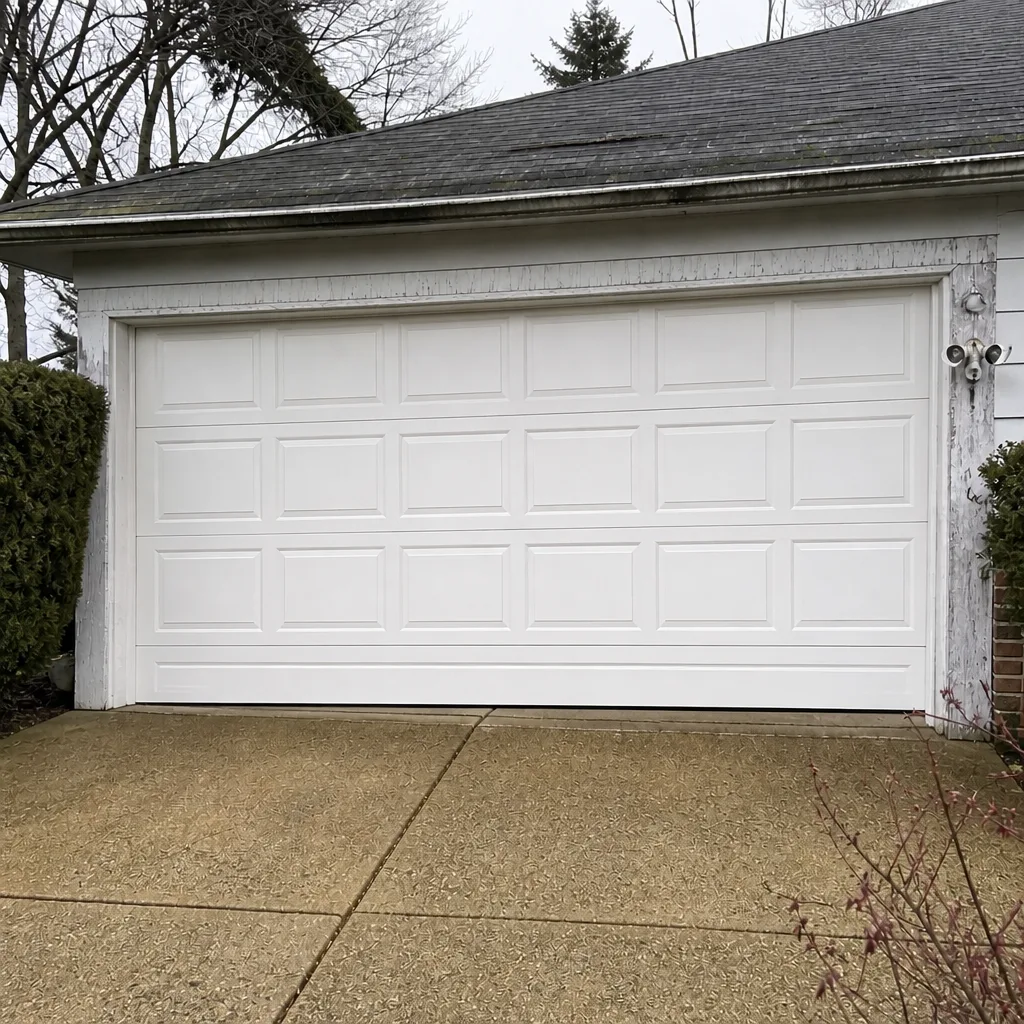
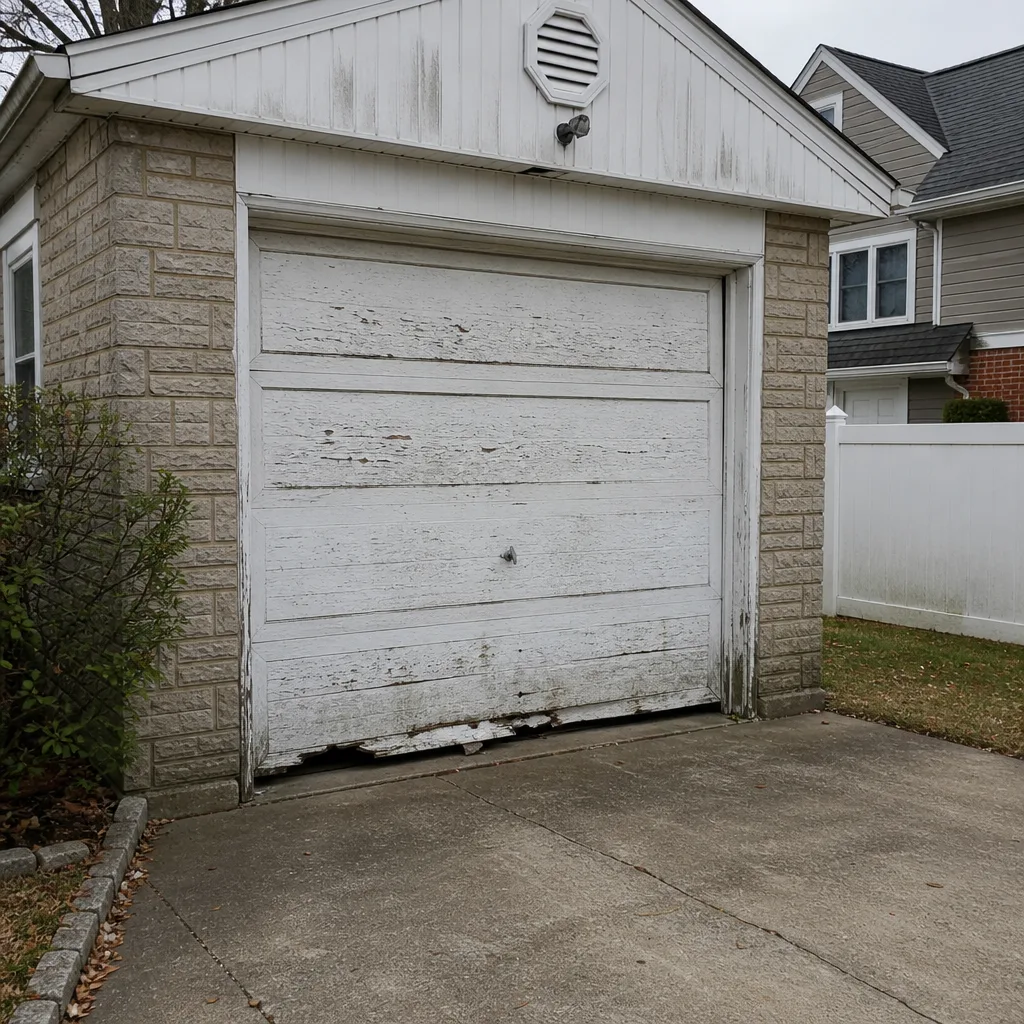
See the difference
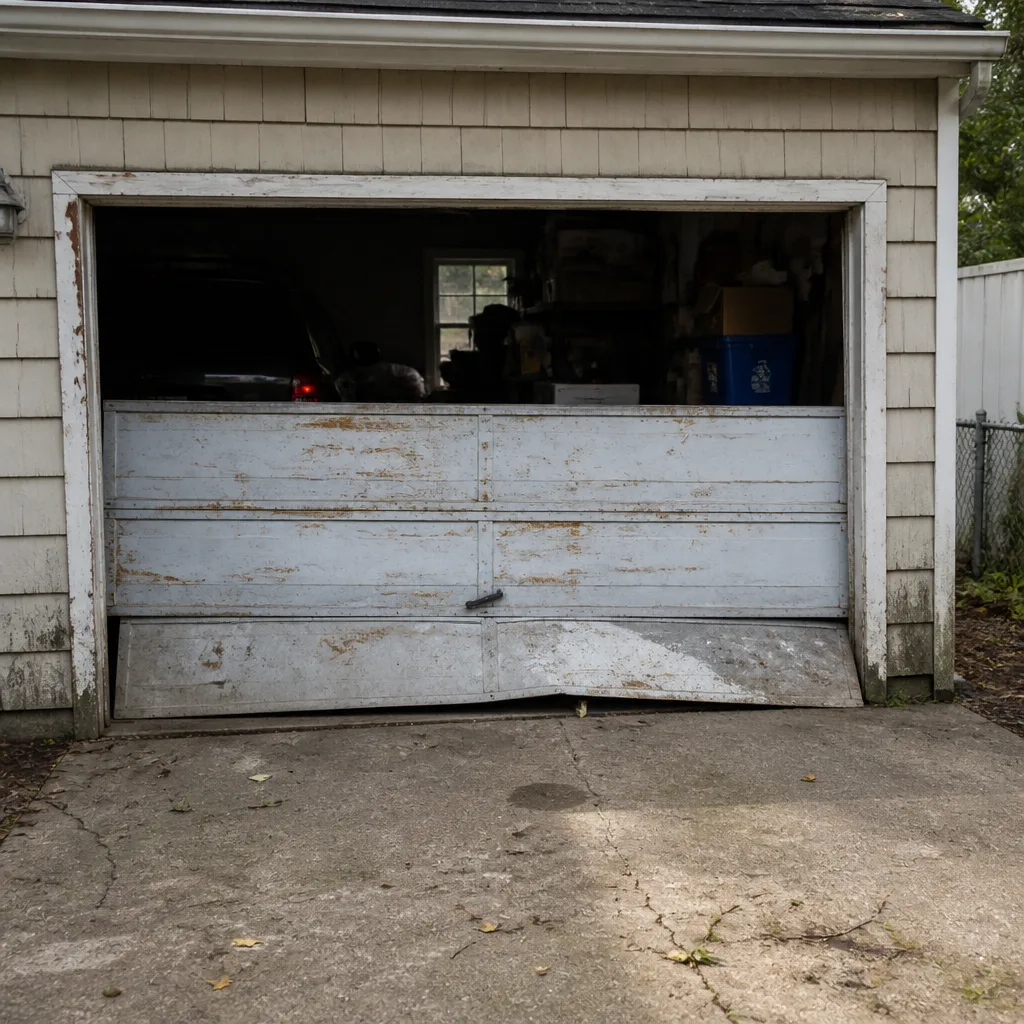 Before
 After
 Before
 After
 Before
 After