Last updated November 23, 2026
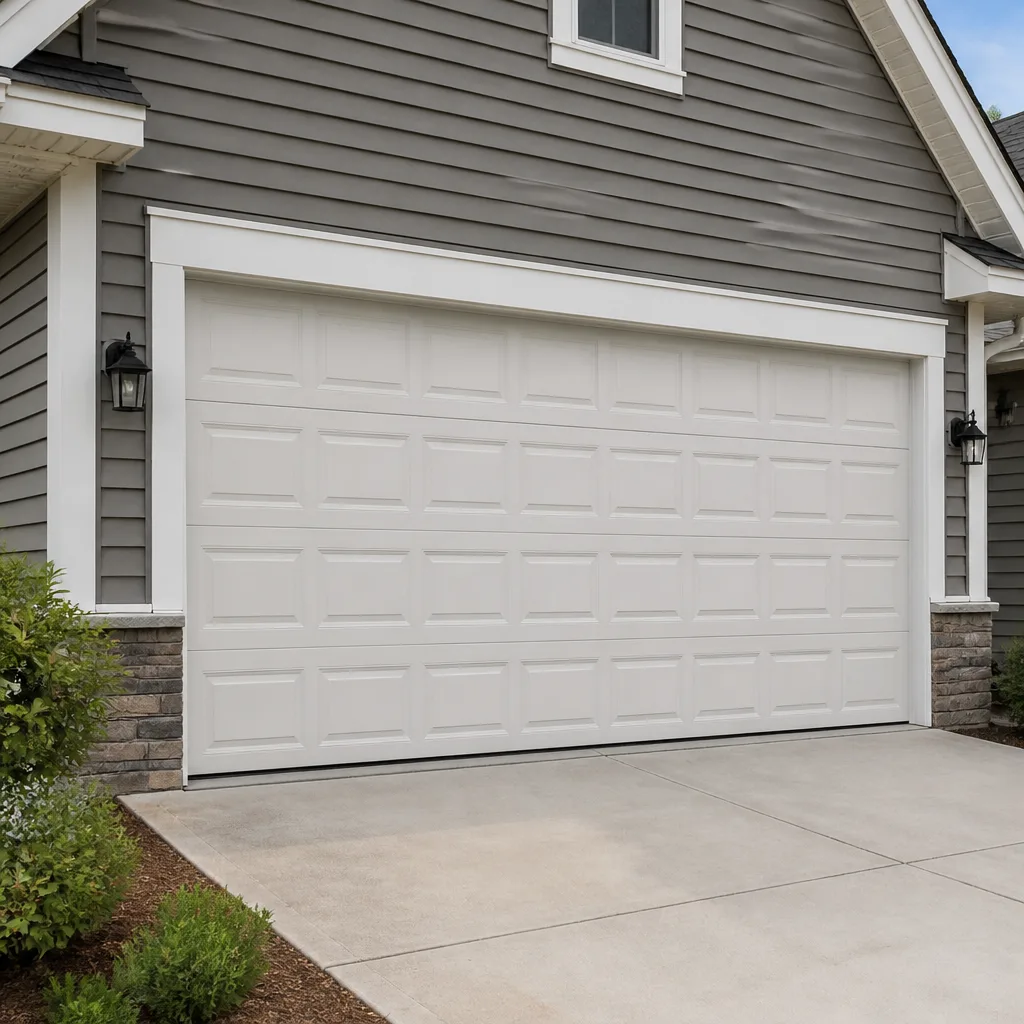 Raised-panel steel
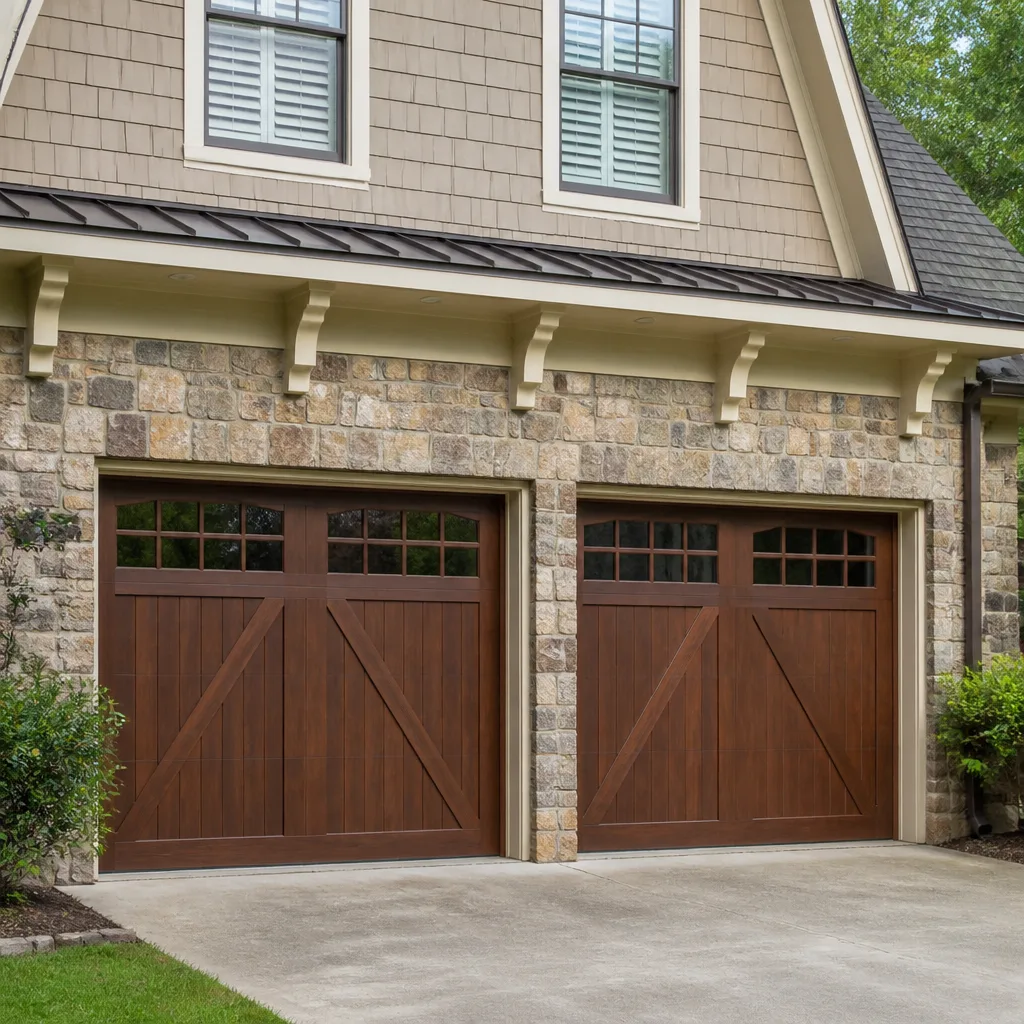 Carriage house
 Modern flush
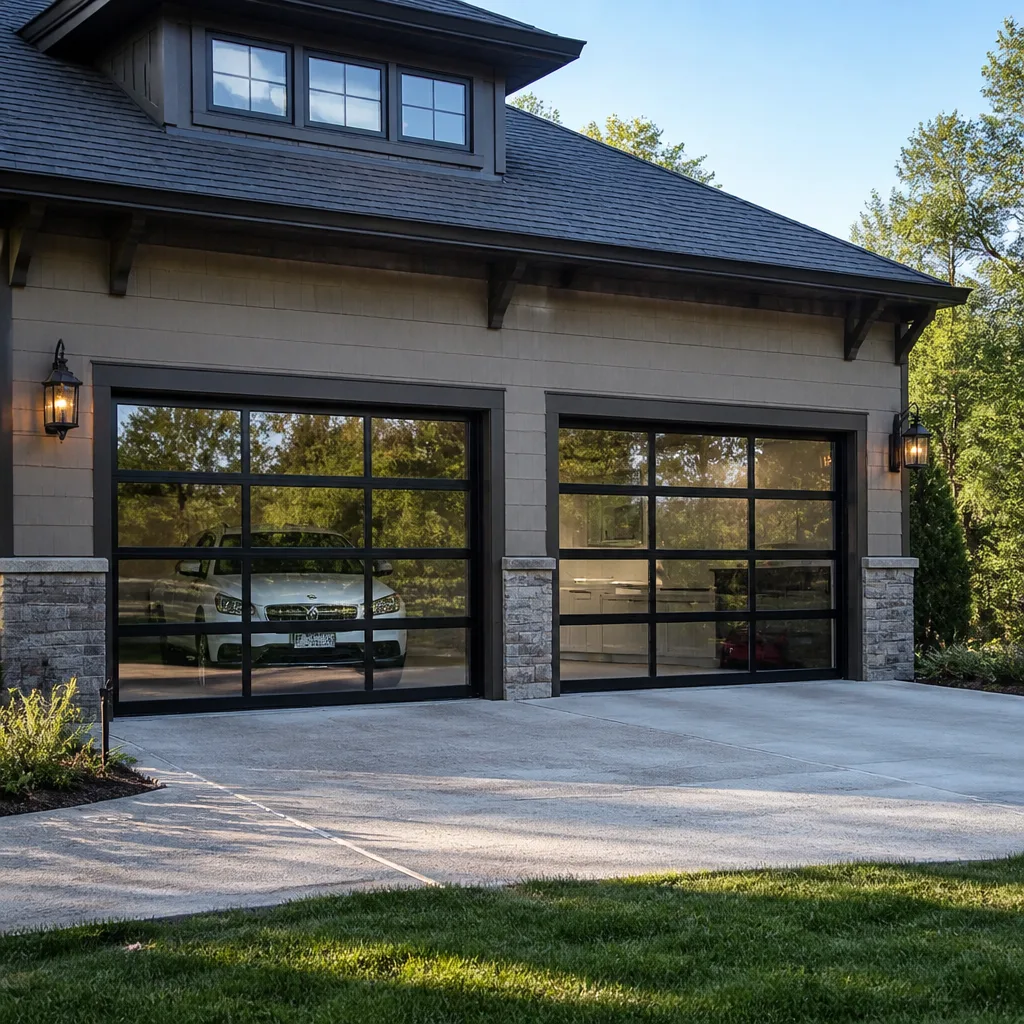 Full-view glass
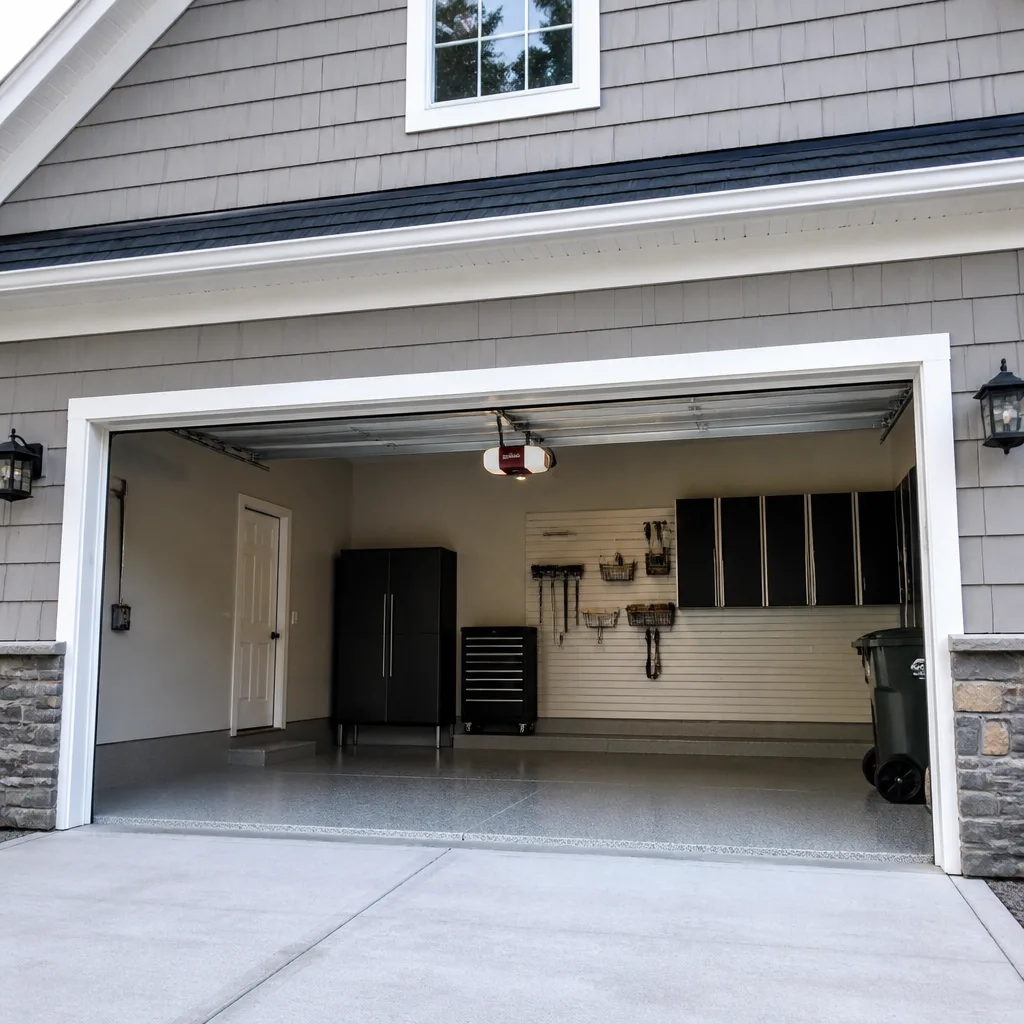 LiftMaster openers
 Chamberlain openers
Full 25-point door and opener safety check with every visit - springs, cables, rollers, tracks, and your LiftMaster or Chamberlain opener included
You get a price before we start. It does not change when the pro arrives.
Get your free estimateGarage Door Permits, Codes & Inspections in Valley Stream, NY: What You Need to Know
Most homeowners assume a garage door is maintenance, not construction. Swap a worn panel, order a new door, and you figure the paperwork is somebody else’s problem. Here’s the part that surprises people: in Valley Stream, replacing a garage door can cross into permitted work, and the permit trail follows the house, not the contractor. If a buyer’s inspector flags an unpermitted replacement, you may be the one pulling a retroactive permit and passing inspection before closing, and in Nassau County that review can stretch for weeks. This guide covers when a permit is required, the code points most homeowners miss, and how the inspection process actually runs in Valley Stream.
Quick Answer
In Valley Stream, repairing a garage door generally does not require a permit, but replacing the door or altering the opening usually does, and the Village of Valley Stream building department is the authority that decides. Any new or replaced door between an attached garage and living space must be fire-rated, and replacement doors on Long Island must meet New York State Building Code wind-load requirements. Always confirm the requirement with the Village before work begins, because the answer can shift with the scope of the job.
Styles & brands we work with
- Raised-panel steel
- Carriage house
- Modern flush
- Full-view glass
- LiftMaster openers
- Chamberlain openers
Table of Contents
- When Does Garage Door Work Need a Permit in Valley Stream?
- The Fire-Rated Door Rule Most Homeowners Miss
- Wind-Load Ratings and the New York State Building Code
- What a Certificate of Occupancy Search Reveals
- How to File for a Garage Door Permit in Valley Stream
- What the Inspection Actually Checks
- Repair vs. Replacement: Where the Line Sits
When Does Garage Door Work Need a Permit in Valley Stream?
The short version: repairs almost never need a permit, replacements often do. A spring swap, a cable replacement, a new opener, or a panel repair on an existing door is maintenance. You’re restoring a door that already exists and was already approved. Replacing the entire door, changing its size, reframing the opening, or installing a door where none existed is a different category of work. That’s alteration of the building envelope, and in Valley Stream that usually means pulling a permit through the Village building department before anyone touches the old door.
Where homeowners get tripped up is the gray zone. A door replacement that keeps the same dimensions and the same manufacturer’s model family sometimes reads as a like-for-like swap, but “sometimes” is doing a lot of work in that sentence. The Village decides based on what you submit, not what your contractor assumes. The safest move is a phone call to the building department before you order anything, with the door’s specifications in hand.
What typically triggers a permit in Valley Stream:
- Full replacement of an existing garage door
- Changing the width or height of the opening
- Converting a garage door to a different type, such as a roll-up to a sectional
- Framing a new opening in a wall that didn’t have one
- Installing a door on a detached structure that requires its own approval
What typically does not:
- Spring repair, including torsion and extension springs
- Cable, roller, and hinge replacement
- Opener repair or replacement on an existing door
- Panel and section repair that keeps the door’s original dimensions
- Weatherstripping and bottom seal replacement
The dividing line is structural change versus mechanical restoration. When in doubt, Valley Stream’s building department is the only voice that settles it, and a two-minute call beats a closing delay eighteen months later. Our garage door repair work stays on the maintenance side of that line, which is why most repair jobs never touch the permit process at all.
The Fire-Rated Door Rule Most Homeowners Miss
If your garage is attached to the house, the wall and door between them are part of your home’s fire separation. That’s not a suggestion. It’s a code requirement with a specific purpose: slowing a garage fire long enough for people to get out and for the fire department to arrive. When a homeowner replaces an aging hollow-core or unrated door with a cheaper unrated model, the house loses that protection without anyone noticing until an inspector or a buyer’s home inspector points at it.
What this means in practice:
- The door between an attached garage and living space must be fire-rated, and the rating is specified by code, not by the door salesman
- The door must self-close and self-latch, which usually means a spring hinge or an automatic closer
- The wall between garage and house typically needs a fire-rated assembly as well, though that’s beyond the door itself
- Doors on detached garages generally are not held to the same separation standard, since there’s no living space on the other side
In Valley Stream, the housing stock runs from older capes and colonials near the village center out toward the Rockaway Avenue corridors, and plenty of those homes have had a generation or two of informal garage upgrades. A door that was code-compliant when the house was built may have been swapped somewhere along the way for a lighter, cheaper unit. This matters if you’re planning any work near that door, and it matters enormously when you sell.
Brand choice affects this more than people expect. Clopay and Amarr both publish fire-rated models in their residential lines, and a proper installation includes the correct hardware for self-closing and latching. This is also a place where a garage door specialist earns their keep: a generalist might install a fine-looking door that fails the fire separation requirement, and you’d never know until an inspector tells you. Our technicians have up to 9 years of experience, and this specific code point comes up more than most homeowners would guess.
Wind-Load Ratings and the New York State Building Code
Long Island sits in a wind zone that the New York State Building Code takes seriously, and replacement garage doors must be rated to withstand the design wind pressure for the location. This is not a marketing feature. It’s a structural calculation that ties the door to the opening, and it’s part of why a garage door replacement in Valley Stream is treated as construction rather than decoration.
What the wind-load requirement actually involves:
- The door’s design pressure rating must meet or exceed what the code specifies for the site
- The rating depends on the door’s width and height, because larger openings catch more wind
- Reinforcement struts and heavier-gauge track and hinges are often part of a rated assembly
- Anchoring matters as much as the door itself: a rated door on weak fasteners doesn’t perform as rated
- The manufacturer’s wind-load documentation should accompany the permit submission
Here’s the piece that gets omitted from the sales conversation. A door rated for a narrower opening than yours doesn’t suddenly become compliant because it’s the same model line. The rating is specific to the size and configuration, and the documentation has to match your actual opening. When you’re comparing quotes, ask for the wind-load rating in writing for the exact size of your door. A reputable installer will have it ready. If a quote arrives without it, that’s information.
Wind-load ratings also connect to the storm experience of living in Valley Stream. Homes here face the tail ends of coastal systems that push hard against anything with square footage exposed to the sky. A properly rated, properly anchored door isn’t just code compliance; it’s the difference between a door that holds and a door that folds. We handle Valley Stream Garage Door Repair Pros installations with the rated documentation in hand, because the permit reviewer will want to see it, and so should you.
What a Certificate of Occupancy Search Reveals
A certificate of occupancy search is the paper trail of what your house is legally allowed to be. For garage door purposes, it tells you whether the garage, the door, and the opening are as originally approved or whether work happened along the way that never got recorded. If you’re buying or selling in Valley Stream, this is a step worth doing before the closing table, not after.
What the search can surface:
- The original approved configuration of the garage, including door size and location
- Any permits pulled on the property and whether they were closed out with a final inspection
- Open permits that were never signed off, which can stall a sale
- Discrepancies between the recorded layout and what’s standing on the property today
- Whether a garage conversion to living space was ever legally approved
The open-permit issue is the one that bites. A contractor pulls a permit, does the work, then never calls for the final inspection. The permit stays open in the village records for years. When you sell, the title search or the buyer’s attorney turns it up, and suddenly you’re responsible for closing out a permit you didn’t open. That can mean bringing the work up to current code, scheduling an inspection, and waiting for sign-off, all while a closing date looms.
If you’re buying in Valley Stream, request the permit history as part of your due diligence. If you’re selling, check it early. If a garage door replacement on the property was never permitted, you have time to correct it before a buyer’s inspector finds it. The same search also reveals whether the door between the garage and the house is the one that was originally approved, which circles back to the fire separation point above. Two questions, one search.
How to File for a Garage Door Permit in Valley Stream
Filing a garage door permit in Valley Stream runs through the Village building department, and the process is more paperwork than drama. The steps below are the general shape of it. The Village sets the actual forms, fees, and submission requirements, so treat this as a map and not a substitute for their instructions.
- Confirm the requirement. Call or visit the Valley Stream building department and describe the exact scope: replacement, new opening, size change. Get the answer in writing if you can.
- Assemble the documentation. You’ll typically need the door manufacturer’s specifications, the wind-load rating for your exact size, a fire-rating specification if the door separates the garage from living space, and a drawing or description of the installation.
- Submit the application. The building department reviews the submission for code compliance. Incomplete packages get sent back, which is where most timeline delays come from.
- Pay the fee and get the permit issued. Fees vary with the scope of work, so ask the Village for the current schedule rather than estimating.
- Have the work performed. The installation should follow the approved documents. A door that differs from what was submitted can fail inspection even if it’s a better door.
- Call for the inspection. Once the work is done, the inspector comes out to verify the installation against the approved plan and the code.
- Close the permit. Final sign-off is the step that makes the work legally recorded. Don’t skip it, and don’t assume your contractor will handle it.
Timelines in Nassau County vary with the building department’s workload and how clean your submission is. A straightforward replacement with complete documentation can move through review and inspection in a matter of weeks. A submission missing wind-load paperwork or a fire-rating spec can sit in review for considerably longer, and then there’s the wait for the inspection itself. The lesson isn’t that the process is slow; it’s that the paperwork quality drives the pace. Get it right the first time.
One more practical note. Permits follow the property, not the contractor, so keep your own copy of every document. If you sell, that folder is worth more than you’d think. If you’re working with us on a garage door spring repair or a replacement, we can point you toward the right documentation for the submission, since the specs need to match the door you’re actually installing.
What the Inspection Actually Checks
The inspection is a verification, not a discovery expedition. The inspector compares what’s installed against what was approved and against the code requirements that apply. Knowing what they look at helps you catch problems before they do.
- Door specifications match the permit. Model, size, and rating should line up with the submission.
- Wind-load documentation is in order. The rated assembly should be installed as specified, with proper reinforcement and anchoring.
- Fire separation is intact. Where the door separates the garage from living space, the rating, self-closing, and self-latching functions are checked.
- Installation quality. Track alignment, hinge and fastener condition, and the general soundness of the install.
- Safety devices. The opener’s safety reverse function and photo-eye system are part of a functional installation, and an inspector may check them.
- Clearances and egress. The door shouldn’t obstruct required clearances in the garage.
The safety device point matters more than it sounds. Garage door openers sold in the US have included entrapment protection since the early 1990s, which means any opener on a Valley Stream home is expected to have working photo-eyes and a functioning safety reverse. If your opener is older than that protection, it’s a good reason to look at garage door opener repair or replacement anyway, independent of any permit question. We work on LiftMaster, Chamberlain, Genie, and Craftsman systems, among others, so the safety check is part of the job rather than a separate visit.
If the inspection turns up a problem, the usual fix is correction and re-inspection, not starting over. The most common failures trace back to a door installed differently from the approved documents, which is why keeping the approved specs on site during installation saves everyone a second trip. In our experience, a clean inspection starts at the permit application, not at the inspection appointment.
Repair vs. Replacement: Where the Line Sits
The permit question hinges entirely on this distinction, so it’s worth making concrete. Repair restores a door to its existing, approved state. Replacement changes the door itself. Most of what goes wrong with a garage door is repair, and that’s the good news for Valley Stream homeowners facing a broken door on a Tuesday morning.
Firmly in repair territory:
- Torsion or extension spring replacement, though this is genuinely dangerous work and belongs with a trained technician
- Snapped cable replacement
- Bent track straightening or replacement on the existing door
- Roller, hinge, and bearing plate replacement
- Opener troubleshooting, including remote and wall control issues
- Panel replacement that matches the existing door’s dimensions and rating
Firmly in replacement territory:
- Installing a new door of any kind where the old one is being removed entirely
- Changing door size, style family, or material in a way that alters the opening
- Adding a door to an opening that previously had none
- Switching from a manual door to an opener on a door that was never rated for one
The gray zone is a same-size swap of the same door model. That’s the scenario where the answer depends on what the Village says when you call, which is why we say call them. A same-size swap with identical specifications may not require a permit at all. A swap that changes the wind-load rating or the fire rating will, every time.
Brand matters here too. If your door is a Wayne Dalton or an Amarr, plugging in a same-size panel or section from the original manufacturer keeps the door in repair territory and keeps the ratings intact. Mixing components across brands is where installations get into trouble at inspection. We handle repair and replacement for a range of manufacturers so the spec sheet stays coherent whichever route you take.
Common Mistakes to Avoid
- Assuming a like-for-like swap skips the permit. A same-size replacement sometimes still needs a permit, and the Village building department is the only one who can tell you which side of the line your job falls on.
- Installing a non-fire-rated door between the garage and the house. It looks and works fine right up until an inspection or a home sale, and then it’s a correction you didn’t budget for.
- Skipping the wind-load documentation. A door quote without the rated specification for your exact opening is an incomplete quote, and it will stall at permit review.
- Letting a permit stay open. A final inspection that never got called leaves an open permit on the property record, and that turns up during a sale in Valley Stream more often than anyone likes.
- Not checking the certificate of occupancy before buying. The permit history reveals garage work that was never recorded, and you want that answer before closing, not after.
- Attempting spring work yourself. Springs are under extreme tension, and the injury risk is real and serious. This is one repair that belongs with a trained technician, permit or no permit.
- Ordering the door before confirming the requirement. If the Village says a permit is needed and the door is already on order, you’ve locked in the timeline before you knew the rules.
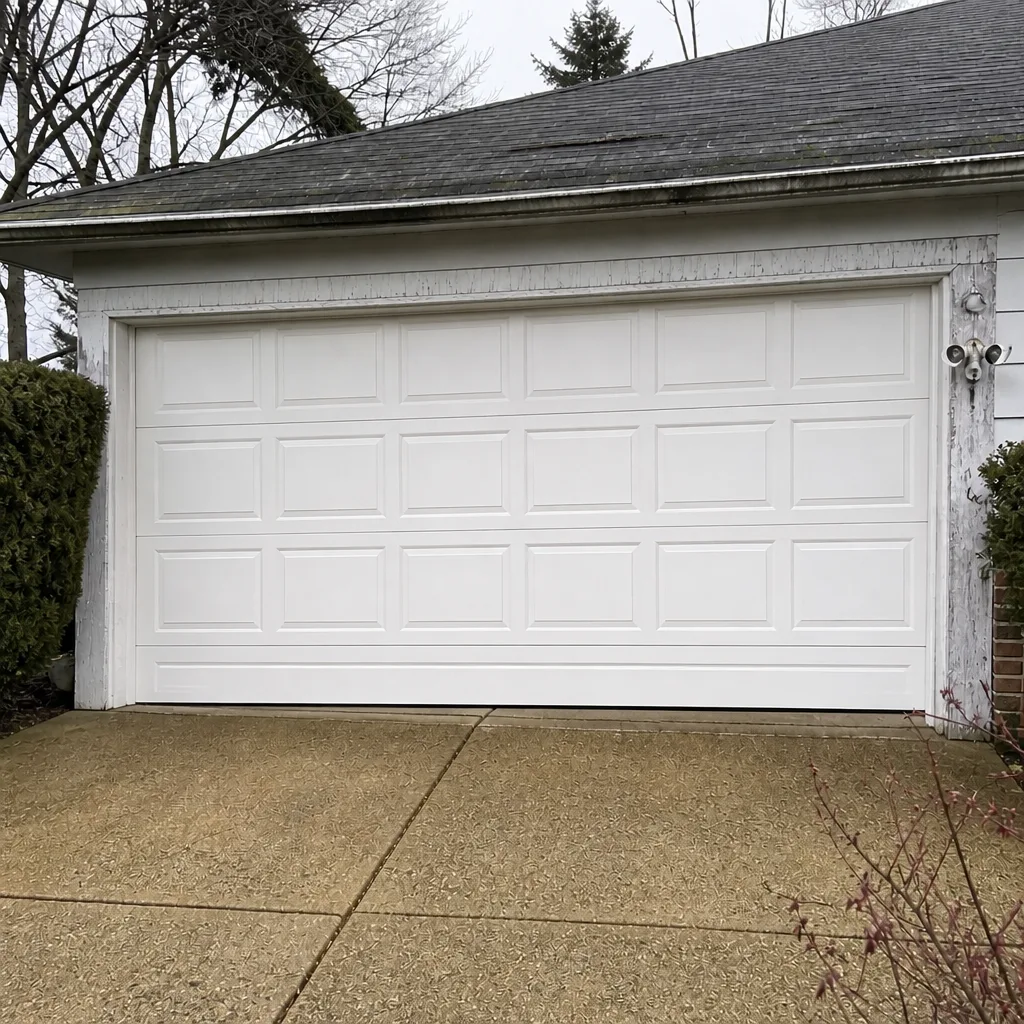
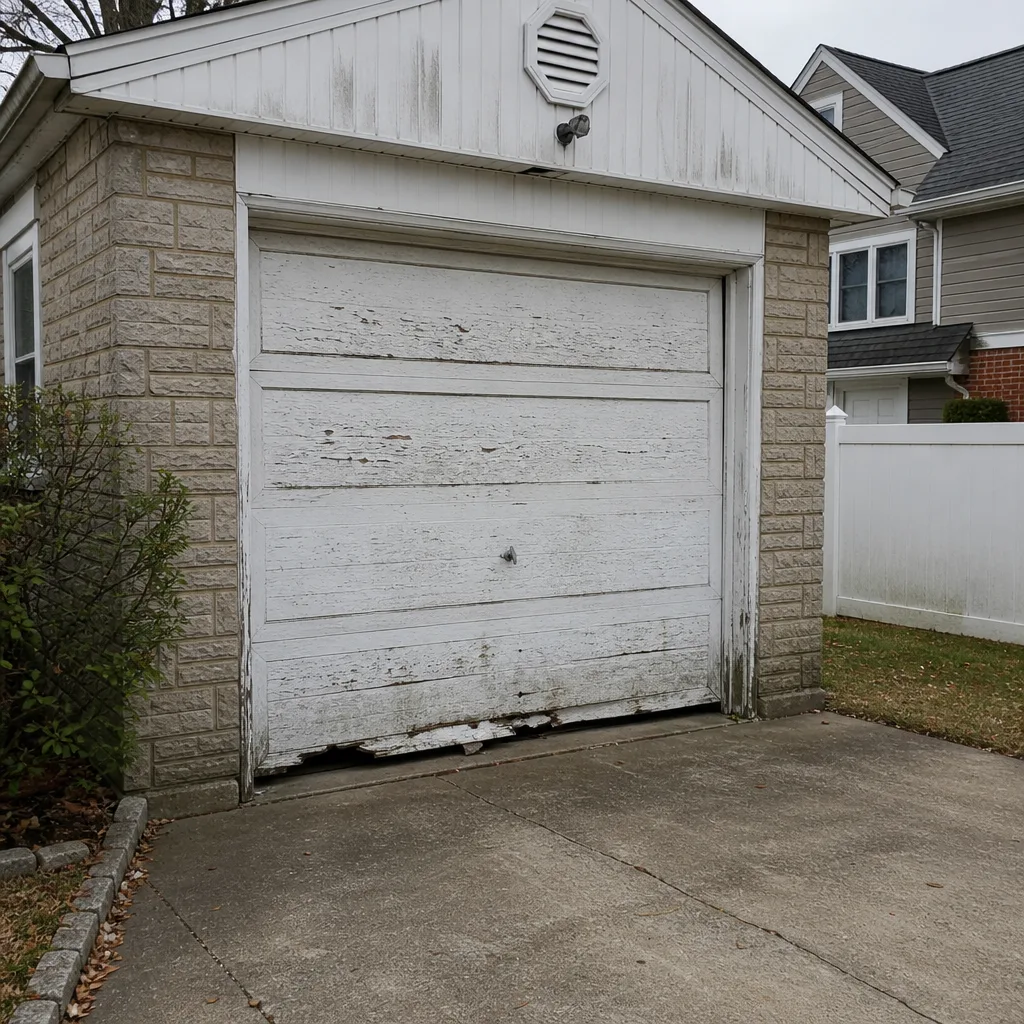
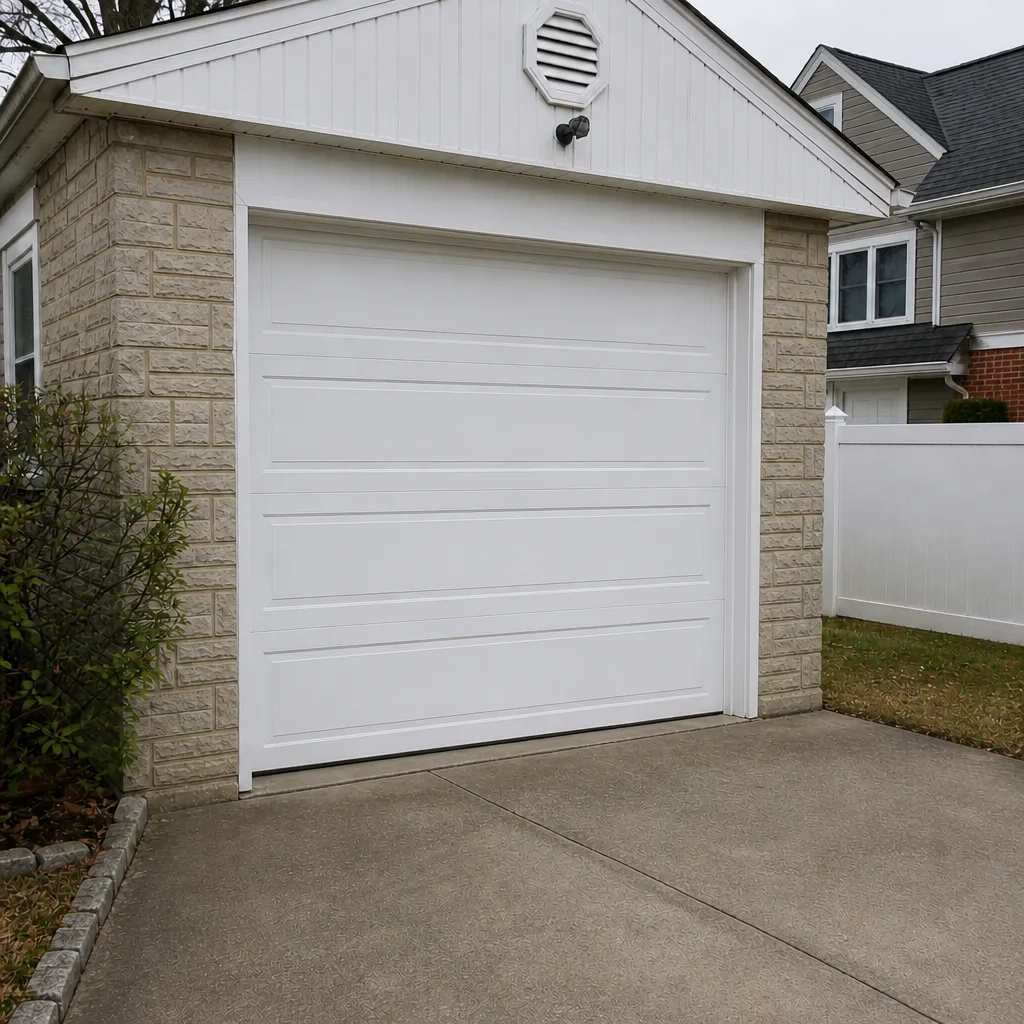
See the difference
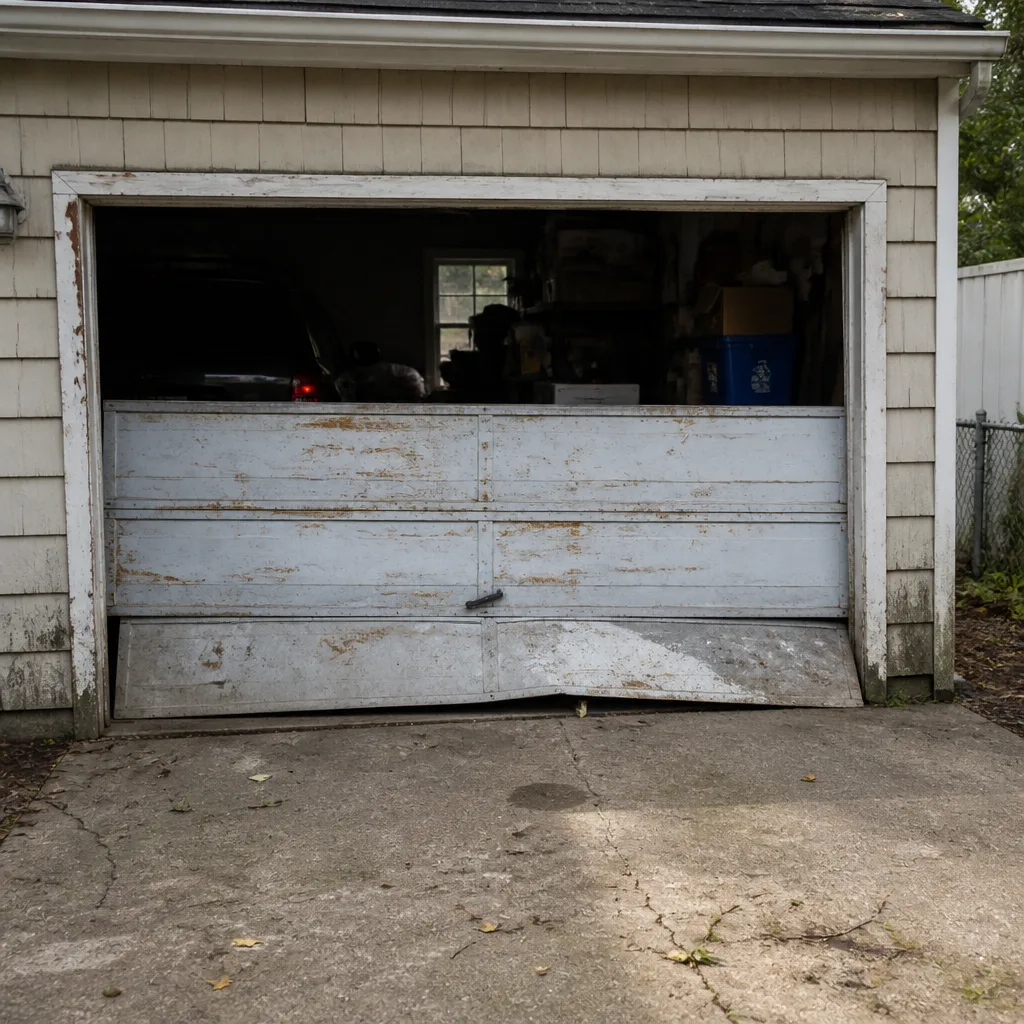 Before
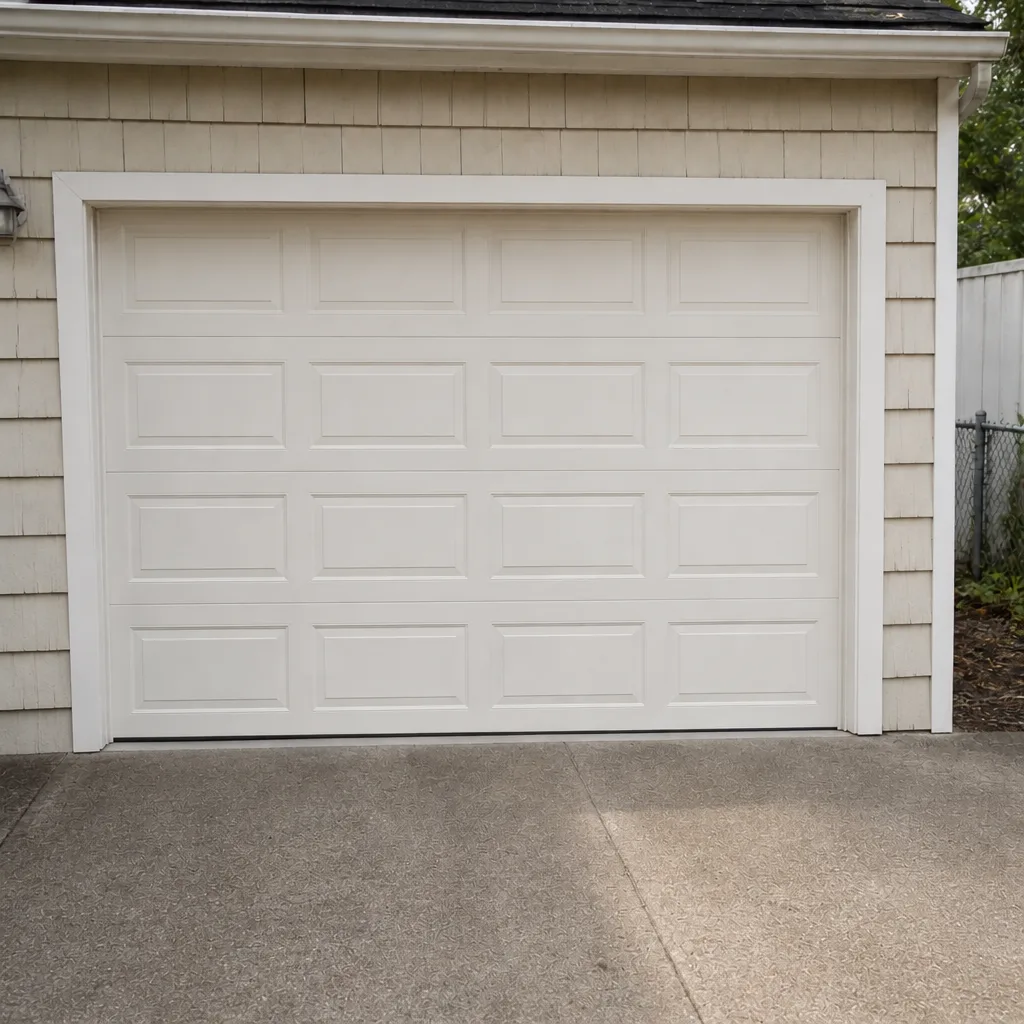 After
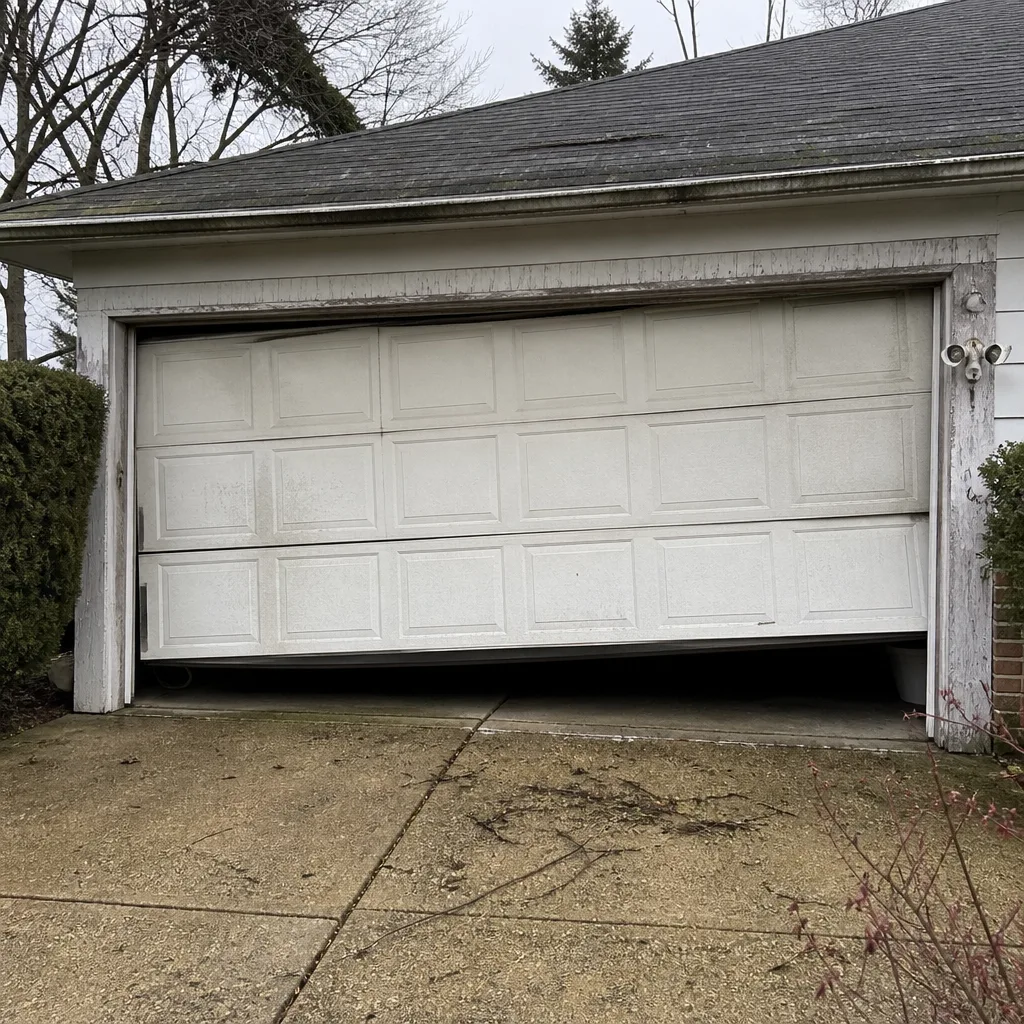 Before
 After
 Before
 After
When to Call a Professional
Call a garage door specialist when the work involves springs, cables, or the structural side of the door. Springs are under extreme tension, and a slipping torsion spring or a snapped cable can injure an experienced installer, let alone a homeowner with a YouTube video and a Saturday afternoon. Call when the door won’t close, when it closes unevenly, when the opener runs but the door doesn’t move, or when the door is coming off its track. Those are diagnoses, and the wrong repair costs more than the right one.
Call us before you order a replacement door, too. We can talk through whether your job is repair or replacement, which specs the permit submission needs, and which of the major brands fits your opening and your rating requirements. Valley Stream Garage Door Repair Pros offers free estimates in Valley Stream – call (833) 508-9959. During a permit process, the number of moving parts goes up, so a straight answer about your actual door is worth having before the paperwork starts.
Frequently Asked Questions
Usually yes, if you’re replacing the entire door or changing the opening, but repairs generally do not need a permit. The Village of Valley Stream building department makes the determination based on the scope of work, so confirm with them before you order the door. Call (833) 508-9959 for an exact quote – estimates are free.
The fire-rated door requirement between an attached garage and the living space is the one that catches people most often. The door has to be fire-rated and self-closing, and plenty of older Valley Stream homes have had that door swapped for an unrated unit at some point. An inspector or a buyer’s home inspector will find it. Call (833) 508-9959 if you want the door checked before that happens.
It varies with the building department’s workload and how complete your submission is, but a straightforward replacement with full documentation can move through review and inspection in a few weeks. Missing wind-load or fire-rating paperwork is the most common cause of delay. Call (833) 508-9959 and we can walk through which documents your job will need.
Yes, replacement doors on Long Island must meet the wind-load requirements of the New York State Building Code for the site, and the rating depends on your door’s exact size. The manufacturer’s rated specification for that size should accompany the permit submission. Call (833) 508-9959 if you need help identifying the right rated specification for your opening.
The buyer’s inspector can flag it, and you may be required to pull a retroactive permit and pass inspection before closing, which can add weeks to the process. Checking the permit history and certificate of occupancy before listing gives you time to correct it. Call (833) 508-9959 for a free estimate on the work needed to bring the door into compliance.
No, the written estimate sets the price, and we agree on it before any work starts. We diagnose first, quote the repair, and only then does anyone touch the door. Call (833) 508-9959 for an exact quote – estimates are free.
The Bottom Line
Permits, fire ratings, and wind-load specs are part of the job, not paperwork bolted on afterward. Repair work like springs, cables, and openers generally stays out of the permit process. Replacement work generally doesn’t. The door between your garage and living space needs to be fire-rated and self-closing, replacement doors need wind-load documentation for their exact size, and the final inspection is the step that makes the work legally real. Check your certificate of occupancy before you sell, confirm the permit requirement with the Village of Valley Stream before you order, and let a specialist handle the springs. The service page for garage door repair covers what routine maintenance looks like when the permit question isn’t in play.
If you’re facing a replacement or a tricky repair in Valley Stream and want a straight answer about what the job involves, call Valley Stream Garage Door Repair Pros at (833) 508-9959 for a free estimate. We’ll look at the door, tell you what it needs, and quote it before any work begins.
Written by the team at Valley Stream Garage Door Repair Pros.