Last updated November 23, 2026
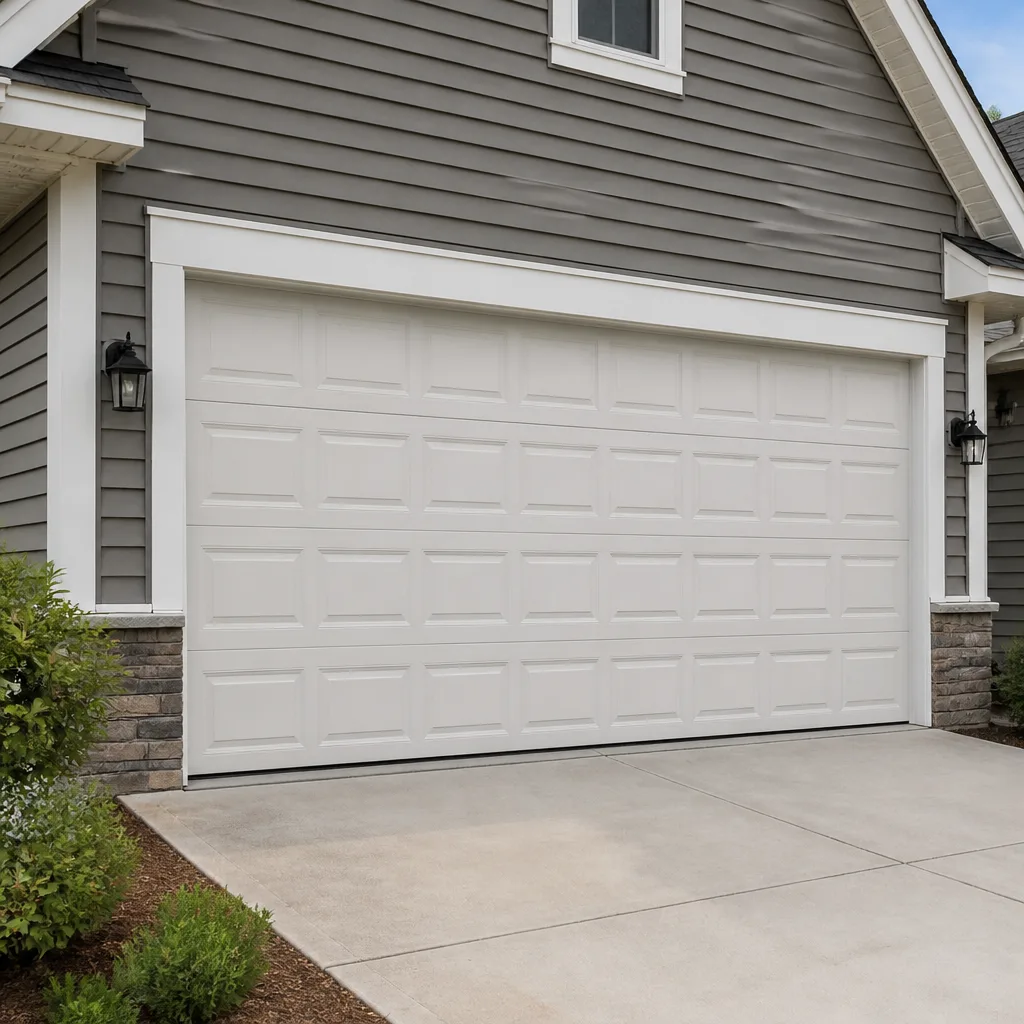 Raised-panel steel
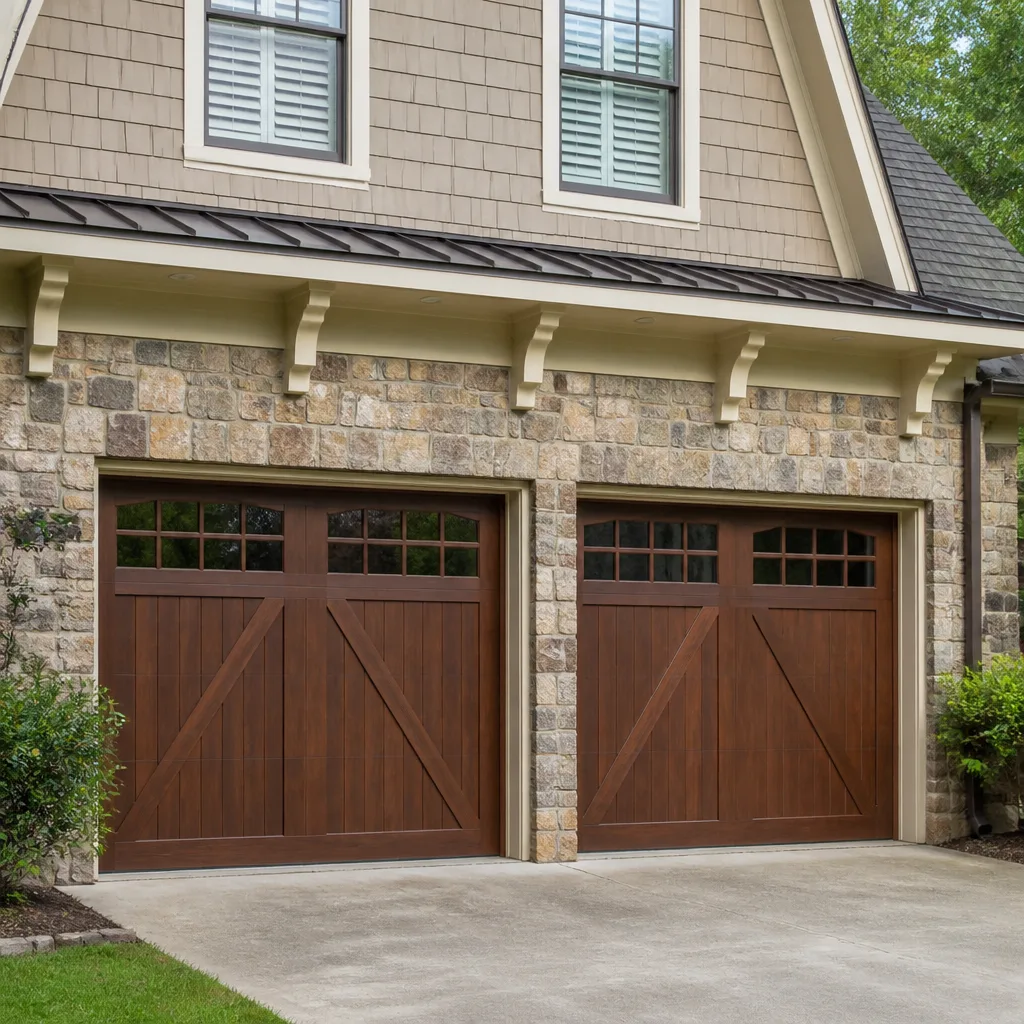 Carriage house
 Modern flush
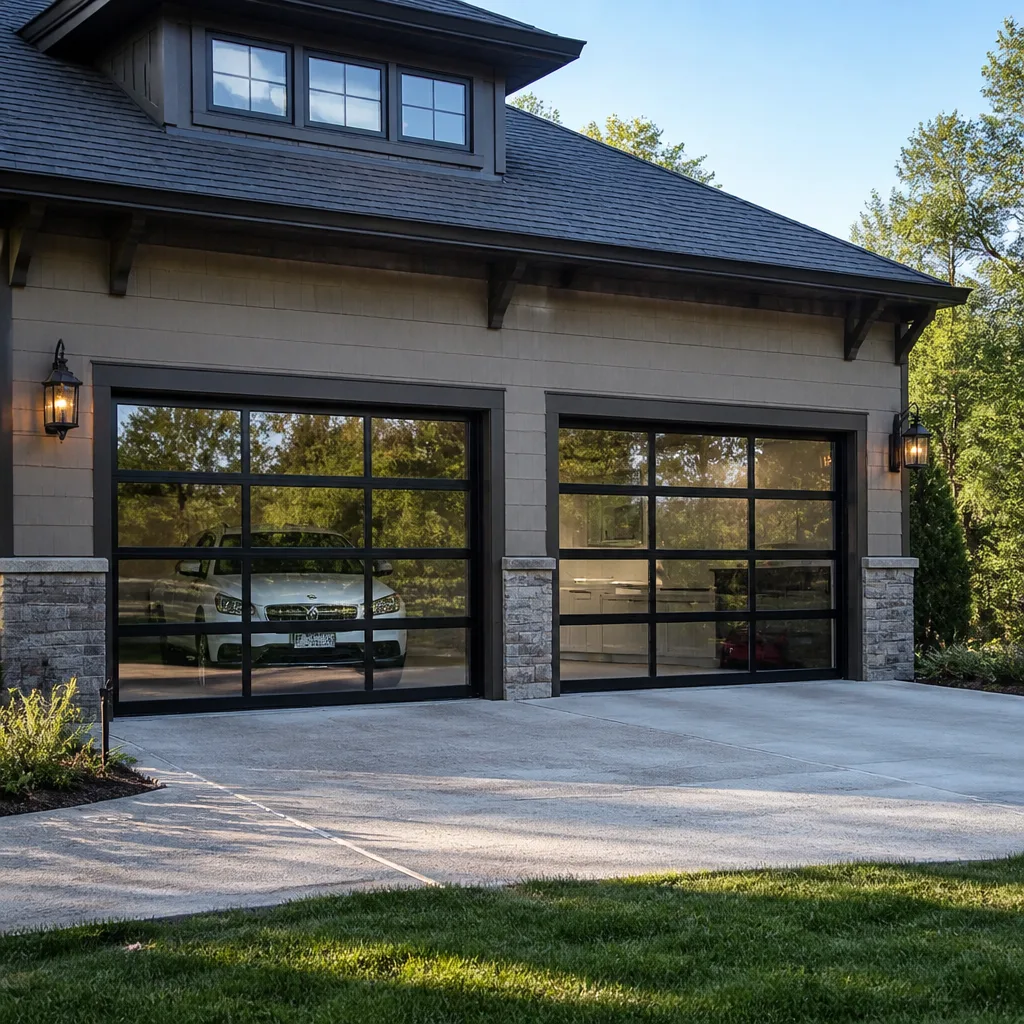 Full-view glass
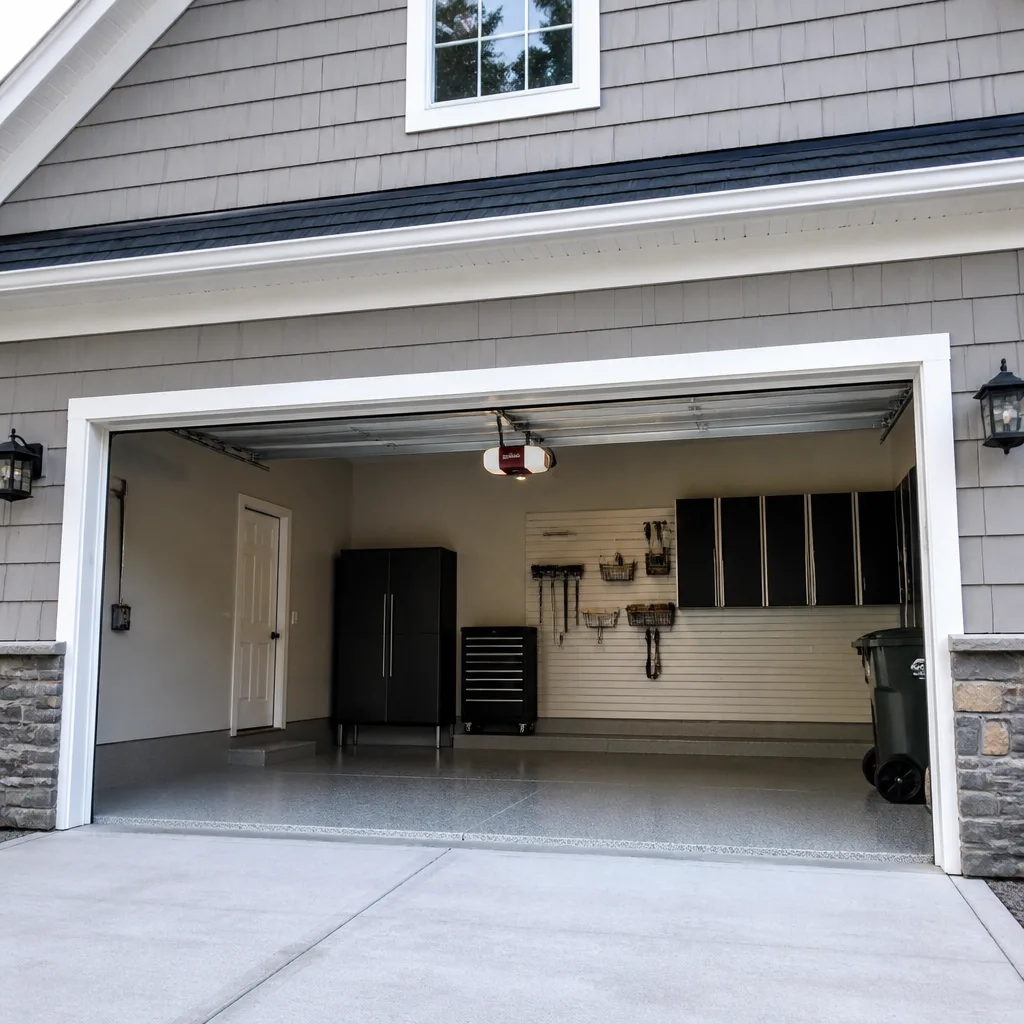 LiftMaster openers
 Chamberlain openers
Full 25-point door and opener safety check with every visit - springs, cables, rollers, tracks, and your LiftMaster or Chamberlain opener included
You get a price before we start. It does not change when the pro arrives.
Get your free estimateDIY vs Professional Garage Door: The Valley Stream Homeowner’s Decision Guide
Plenty of Valley Stream homeowners are genuinely handy. They’ve swapped outlets, tiled a bathroom, hung a ceiling fan without incident. So when a garage door starts grinding or a spring snaps, the instinct is understandable: how hard can it really be? Here’s the counterintuitive part. The DIY-versus-pro question for garage doors has almost nothing to do with your skill level and everything to do with which specific component is involved. Torsion springs store enough energy to seriously hurt someone, and that makes them categorically different from every other repair on your list. In this guide we’ll walk through what’s safe to tackle yourself, what isn’t, and how to decide for your own door in Valley Stream.
Quick Answer
Most garage door tasks split cleanly into two groups. Seals, hinges, lubrication and visual inspections are safe for a careful homeowner to handle. Torsion springs, cables, and opener motor wiring are not, because springs hold lethal stored tension and cables work under load that can snap without warning. When in doubt, a professional diagnosis is the safer and usually cheaper call in Valley Stream. Call (833) 508-9959 for a free estimate.
Styles & brands we work with
- Raised-panel steel
- Carriage house
- Modern flush
- Full-view glass
- LiftMaster openers
- Chamberlain openers
Table of Contents
- Why Garage Door Work Isn’t a Skill-Level Question
- The Task-by-Task Breakdown: What’s DIY-Safe and What Isn’t
- The Physics of Torsion Spring Tension, in Plain Terms
- How to Watch a Garage Door Tutorial Critically
- Insurance and Warranty Implications of DIY Spring Work
- What a Professional Does That You Genuinely Can’t Replicate
- How Valley Stream Weather Affects Your Door
- What Does Professional Garage Door Work Cost in Valley Stream?
Why Garage Door Work Isn’t a Skill-Level Question
A homeowner who replaced their own outlets, tiled a bathroom, and installed a ceiling fan is not qualified to replace a torsion spring. These are unrelated skill sets, and the spring doesn’t care about your track record. That’s the whole thesis of this guide, and it’s worth sitting with because it runs against how most people think about home repair.
Garage doors are a mechanical system with moving parts under continuous load. The door itself can weigh a few hundred pounds. That weight is counterbalanced by springs that are wound tight enough to hold it in place, and when one fails, the energy releases in an instant. The tools are simple. The stakes are not. A person who can follow a wiring diagram can still be badly hurt by a torsion spring, because the danger isn’t in the complexity, it’s in the stored energy.
In our experience across Valley Stream, the DIY jobs that go wrong usually start with confidence earned elsewhere. Someone who has done real work on their house assumes the garage door will be the same kind of problem. It plays by different rules.
Here’s the other thing worth knowing: a professional isn’t just “someone who’s done it before.” A trained technician knows the difference between a torsion and an extension spring system at a glance, understands what a door out of balance feels like, and carries the winding bars and calibration equipment that make the job safe. That’s not a comment on your ability. It’s a comment on the tools and the training. Our technicians have up to 9 years of experience, and every one of those years has been spent on garage doors specifically, not spread across a dozen trades.
You can call Valley Stream Garage Door Repair Pros for a free estimate if you’d rather skip the guesswork entirely.
The Task-by-Task Breakdown: What’s DIY-Safe and What Isn’t
The clearest way to make the DIY decision is component by component, because the answer changes depending on what you’re looking at. Here’s the breakdown.
DIY-safe with care
- Replacing the bottom weather seal. A rubber or vinyl seal that’s cracked or torn slides out of its retainer and a new one slides in. No stored tension, no springs, no opener. This is the single best beginner task.
- Lubricating hinges and rollers. A few drops of a proper garage door lubricant on the hinges, rollers and tracks keeps the system quiet and reduces wear. Skip the WD-40; use a lithium or silicone spray made for doors.
- Tightening loose hinge and bracket bolts. If a hinge rattles, tighten it. Check the rest of the hardware while you’re at it.
- Cleaning the photo-eye lenses. The small sensors near the floor of the door opening get dusty or knocked out of line. Wiping the lenses and nudging them back toward each other fixes a lot of “door won’t close” complaints.
- Visual inspection. Look at the springs for gaps or breaks, the cables for fraying, and the rollers for flat spots. Catching a problem early is half the battle.
- Replacing the opener remote battery and re-pairing a remote. Straightforward, and the manual for your Genie or LiftMaster will walk you through it.
Requires professional handling
- Torsion and extension springs. Never DIY. Springs under load store enough energy to break bones or worse, and that’s not an exaggeration for effect. This is the highest-risk job on a garage door.
- Cables. Cables are under constant tension and can snap without warning when you least expect it, often during adjustment. This falls under our garage door spring repair service because the two systems are physically coupled.
- Opener motor wiring. The electrical side of an opener connects to your home’s circuit, and getting it wrong is a fire risk. If the opener itself has failed internally, our garage door opener repair handles it.
- Replacing a door panel or section. Panels weigh a lot, they have to be aligned precisely, and dropping one is a two-person job at minimum.
- Replacing a hinge that’s been bent by a strike. Rare, but when a hinge has deformed the surrounding hardware may be compromised too. Worth a look from someone who knows what to check.
- Track realignment. A bent track throws the whole door off balance. A small adjustment looks easy until the door comes off its rollers.
If your door is actually broken and not closing safely, that’s a garage door repair situation and the sooner you know what’s wrong, the better. Valley Stream homeowners often call us after a DIY attempt on a hinge or track, and nine times out of ten the fix is quick once the right tools are on hand.
The pattern should be obvious: anything involving springs, cables, or the opener motor is pro territory. Everything else is a considered judgement call.
The Physics of Torsion Spring Tension, in Plain Terms
Why are spring warnings so emphatic? Because a torsion spring stores energy the way a fully drawn bow does, and releasing it without control is dangerous. That’s the whole point, and it’s worth understanding so that safety warnings don’t feel like boilerplate.
A torsion spring is a coiled steel bar mounted above the door. When the door closes, the spring winds tighter; when you open the door, it unwinds and helps lift the door. The system is designed so the spring is always exerting force. A standard residential torsion spring can be wound through several full turns to counterbalance a door, and the tension at that point is significant. If the winding bars slip out of the spring’s cone during adjustment, that stored energy releases instantly. Skilled technicians work with one bar held in place at all times precisely because of this.
Extension springs are a variant. They stretch rather than twist, and when they break, they can travel a surprising distance. That’s why proper extension spring systems are fitted with safety cables routed through the center of the spring. If the cable isn’t there, or isn’t routed correctly, a broken spring has nowhere to go but into whatever is in its path.
It helps to think of it in terms of “can this hurt me if it goes wrong?” A bottom seal can’t. A torsion spring absolutely can. The distinction is intrinsic to the component, not the skill of the person holding the tools.
There’s a widely held myth that a torsion spring is “just a spring” and can be replaced with a few YouTube tricks. We’ve seen the aftermath of that approach. The good news is that a trained technician replaces springs routinely and safely, and the process is quick. The bad news for the DIY-inclined is that no amount of careful study substitutes for trained hands and the correct winding bars.
How to Watch a Garage Door Tutorial Critically
YouTube is a genuinely useful resource, and we’re not here to tell you to ignore it. But a tutorial is only as good as the safety habits it demonstrates, and plenty of garage door videos skip the parts that matter most. Here’s how to spot a weak one.
First, watch for whether the video shows the technician using winding bars. A real torsion spring tutorial will show bars inserted into the spring cone and held at all times. If a video uses a screwdriver, a wrench, or an improvised tool, close it. That’s not a shortcut; it’s a hazard being normalized on camera.
Second, does the video show the safety cable on an extension spring system? Proper extension spring work routes the safety cable through the spring. If the tutorial replaces the spring and leaves the cable out of frame or off entirely, it’s incomplete.
Third, look for calibration and post-install checks. A professional doesn’t just replace the spring and walk away. They test the balance of the door, check that the opener force limits are set correctly, and confirm that the safety reverse works. Almost no DIY video covers force-limit calibration, and it’s the single biggest thing hobbyist installs get wrong.
Fourth, check whether the tutorial accounts for the specific system in your door. There are two main spring systems, torsion and extension, and they behave differently. A tutorial that treats “garage door spring” as a single category is missing something.
Fifth, be skeptical of any video that opens with “this is easy” or “anyone can do this.” The hard parts are often cut from the video for time. When a tutorial skips the failures and re-dos, you’re watching a highlight reel, not the job.
If a video you’re watching passes all five filters and the task is on the DIY-safe list, feel free to go for it. If any fail, put the tools away and call a professional.
Insurance and Warranty Implications of DIY Spring Work
This is where the DIY decision can cost you more than the repair itself. If you perform spring or cable work yourself and something goes wrong later, the consequences can reach well beyond the initial injury risk.
On the warranty side, most garage door manufacturers set conditions around professional installation and repair. A do-it-yourself spring replacement on a door from Clopay, Amarr or Wayne Dalton can void the warranty on that component and can complicate coverage on adjacent parts if the manufacturer attributes the damage to the DIY work. Before you take on that job, read the warranty terms that came with your door. It’s rarely the case that a homeowner has read them, and the language is often clear once you do.
On the insurance side, damage from improper mechanical work on a garage door isn’t something homeowner policies reliably cover. If a spring failure damages the door panel, the opener, or a vehicle parked underneath, a claim for damage that a policy attributes to unpermitted or improper work can be a headache. The specifics of any policy are between you and your insurer, so call your agent and ask the question directly before you start.
There’s a third issue, which is liability. If a door you repaired yourself later fails and injures someone in your household, or worse, a guest, your liability exposure is real. A professional repair creates a paper trail that puts the responsibility where it belongs.
None of this is meant to scare you out of every DIY job. It’s meant to show that the “true cost” of a DIY spring replacement isn’t just the parts and a Saturday. It’s the risk, the warranty, and the potential claim. That math almost always favors hiring a pro in Valley Stream.
What a Professional Does That You Genuinely Can’t Replicate
A service call isn’t just the repair. It’s the calibration and the diagnosis around it, and that’s where the value lives. Here’s what a trained technician handles on every call that a homeowner working from a video can’t easily replicate.
- Diagnosis of the actual cause. A door that won’t close might have a failed spring, a misaligned track, a dead opener motor, or a photo-eye sensor that got bumped. The fix is different in each case. A professional figures out which it is before buying a part.
- Spring replacement with proper tensioning. Trained hands, correct winding bars, and working at safe tension. Not a DIY task under any circumstances.
- Balance adjustment. A properly balanced door should open and close smoothly, with a helpful manual lift. Balance is adjusted by tensioning or by adjusting the track and hinges, and getting it wrong is what makes doors feel heavy.
- Force-limit setting on the opener. Every opener has a force limit that stops the motor when the door meets resistance. If that limit is set too high, the safety reverse won’t trigger on contact with an object or a person. If it’s set too low, the door bounces open. Setting it correctly requires the right tools and hands-on time.
- Safety reverse testing. After any work on an opener, the safety reverse has to be tested by holding a solid object under the door path and confirming it reverses. This gets skipped routinely on YouTube, and it’s the single most important safety check on an automatic door.
- Cable inspection and tensioning. Cables stretch and fray with time. A professional checks both cables together, because a single replaced cable leaves the system unbalanced.
- Post-repair validation of track and hinges. Small deformations in a track, or a hinge that’s worn, put stress on the whole opening system. A pro catches those on the way through.
None of this is magic. It’s a trained eye and a set of checks a professional performs without thinking. That’s the difference between a fix that lasts and a fix that fails a month later.
How Valley Stream Weather Affects Your Door
Valley Stream sits on Long Island’s south shore, and the climate here puts specific wear on a garage door that you’d want to factor into your maintenance thinking. Winters bring cold stretches that make a metal door contract and stiffen its seals. Summers bring humidity that can affect wood components and painted finishes. Spring and fall bring temperature swings that cause framing to shift slightly.
For your door, this is what those conditions mean in practice. In cold snaps, the bottom seal can harden and crack faster than it would in a warmer climate, so a visual check in late fall is worth doing. Dirt and grit from roads can collect in the door track over the winter, and that’s easy to clean out yourself. Springs themselves aren’t weather-sensitive in a way that shortens their life predictably, but temperature fluctuation is a common trigger for a spring that’s getting toward the end of its life. If you hear a loud pop from the garage on a cold morning, that’s usually a spring giving way, and the door will then feel extremely heavy when you try to lift it.
Valley Stream’s housing stock ranges from older capes and colonials with single-car doors to newer homes with wider double-car doors. Older doors are more likely to be on extension spring systems, which is one more reason to know which system you have before lifting a finger. Newer doors are more likely to have torsion springs and a modern opener that requires force-limit calibration after any service.
Practically, a twice-a-year inspection of the door, seal, and lubrication is enough to keep most Valley Stream doors in good shape. It’s also the best time to spot a problem before it’s urgent.
What Does Professional Garage Door Work Cost in Valley Stream?
If you’re weighing a DIY attempt against a professional call, you deserve a straight answer on cost. Professional garage door repair in Valley Stream typically runs $150 to $450 for common repairs, with spring replacement usually at the higher end. The exact price depends on the system, the parts, and whether the opener needs calibration too.
| Job | Typical estimate |
|---|---|
| Service call and diagnosis | $75 – $120 |
| Bottom seal replacement | $90 – $180 |
| Single torsion spring replacement | $180 – $340 |
| Matched pair of torsion springs (usually replaced together) | About double a single spring |
| Cable replacement (per cable) | $150 – $320 |
| Hinge or roller set replacement | $120 – $240 |
| Opener repair (motor, logic board, or sensor) | $140 – $380 |
| Full door replacement | Quoted per door and model |
Every one of these is an estimate. The written quote you receive before any work starts is the price, not a “starting from” number. That’s the commitment we make on every call.
Compare that to what a DIY attempt actually costs when it goes wrong: the part, the second part after the first fails, the door panel that has to be replaced if the spring lets go with the door in an awkward position, and the opener that needs calibration after the install. In most cases, the professional repair is cheaper once those are added up. It’s also faster, and it comes with a warranty-backed fix rather than a hope.
If you’re exploring an upgrade rather than a repair, we handle garage door installation and can talk through brands and hardware options so you know what you’re pricing.
Common Mistakes to Avoid
- Assuming a DIY track record transfers. Outlets and tiling are real skills, but they don’t prepare you for a component under lethal stored tension. The mistake is one of category, not competence.
- Using a screwdriver or wrench on a torsion spring. Winding bars exist for a reason. Any improvisation here is a hazard, not a shortcut.
- Skipping the force-limit calibration after an opener repair. The opener will run, but the safety reverse may not trigger. It’s the most commonly missed step on DIY opener work.
- Replacing one spring of a matched pair. Springs wear at the same rate. Replacing one leaves the system unbalanced and the other spring close to failure.
- Leaving out extension spring safety cables. They’re what keeps a broken spring from flying across the garage. They’re not optional.
- Ignoring a loud pop from the garage on a cold morning. That’s usually a spring failure. The door will then be extremely heavy, and lifting it by hand is dangerous.
- Forgetting to re-check the photo-eye alignment after a move or a bump. A door that “won’t close for no reason” is often just a sensor that’s been knocked slightly out of line. It’s a two-minute fix and worth checking before assuming an expensive repair.
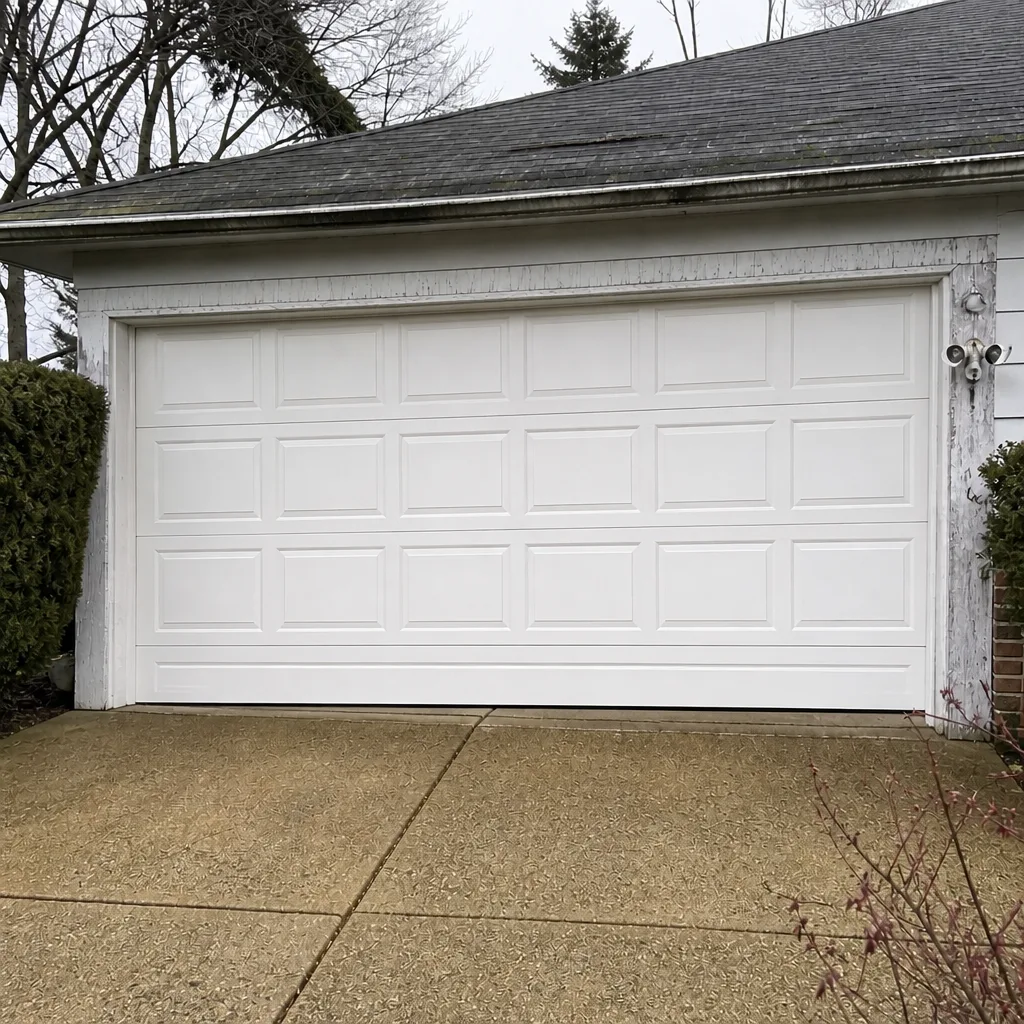
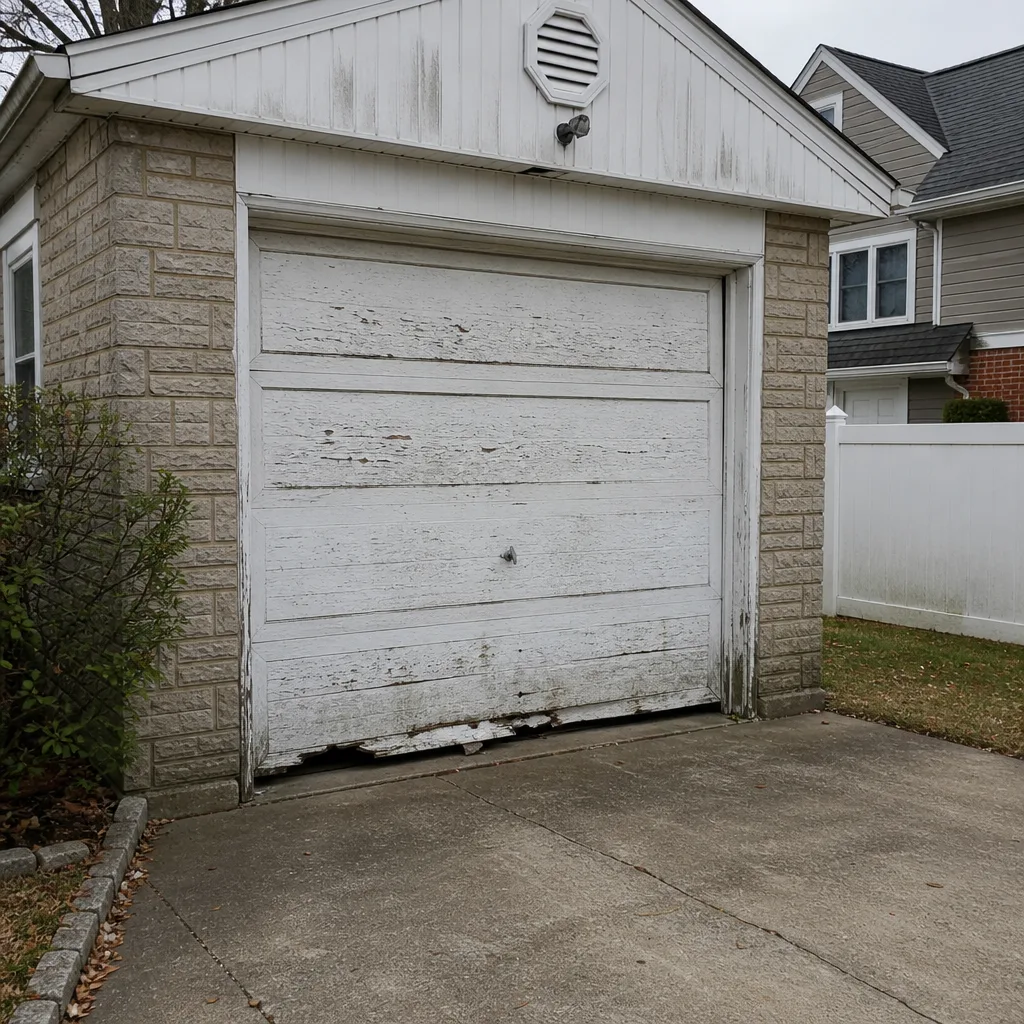
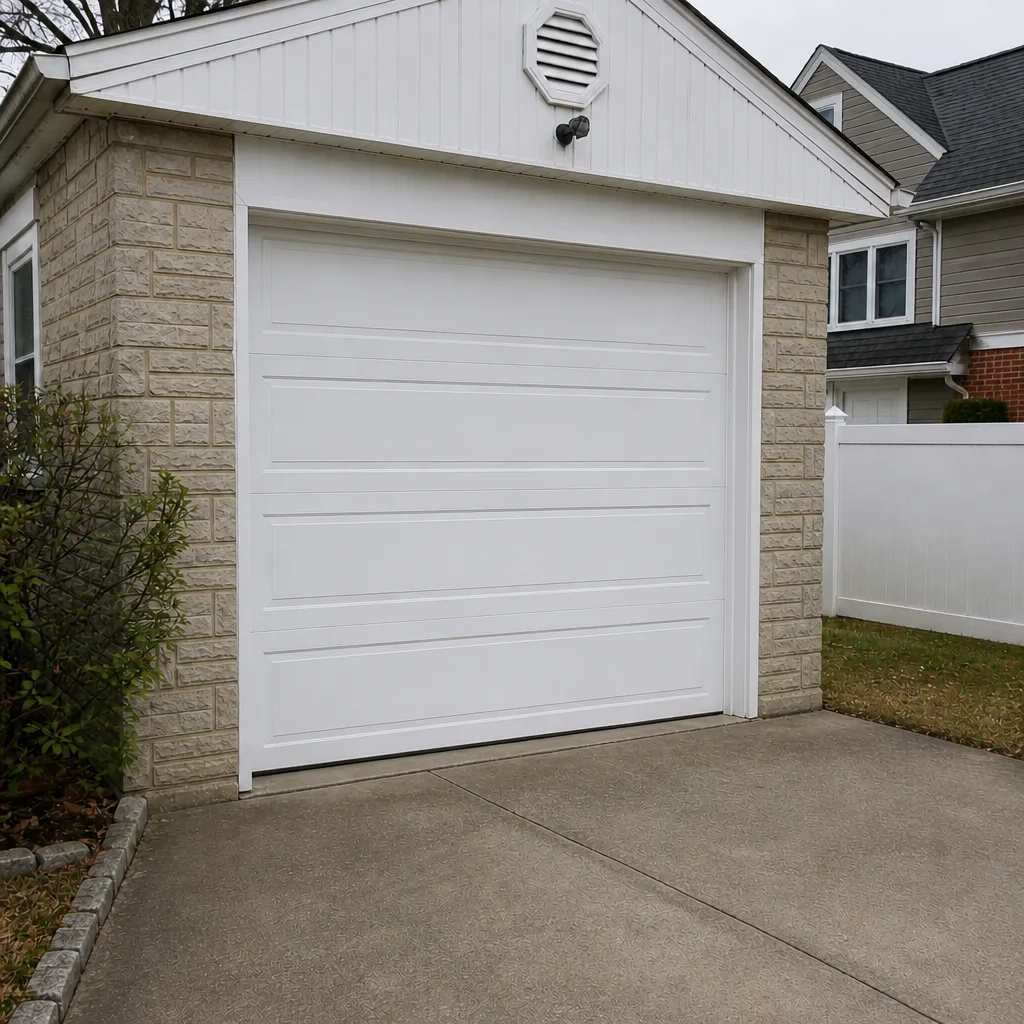
See the difference
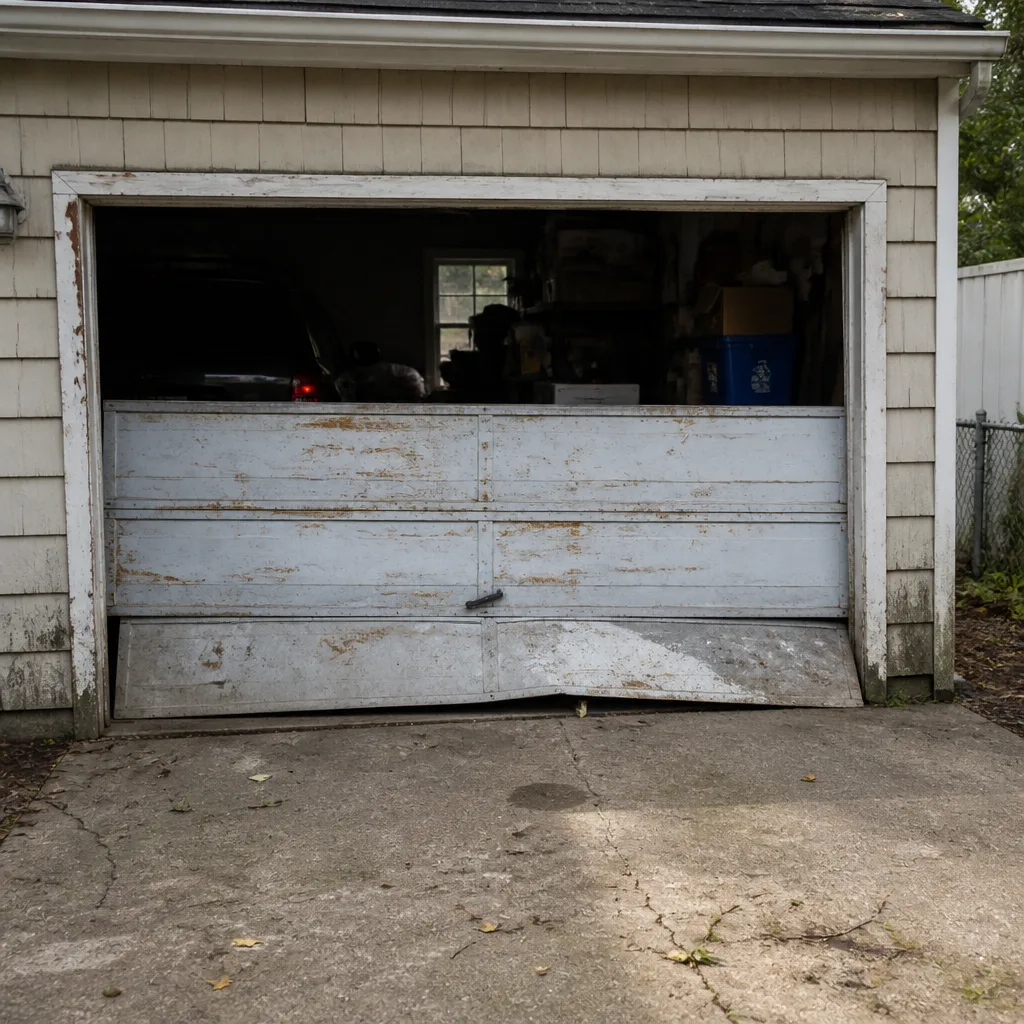 Before
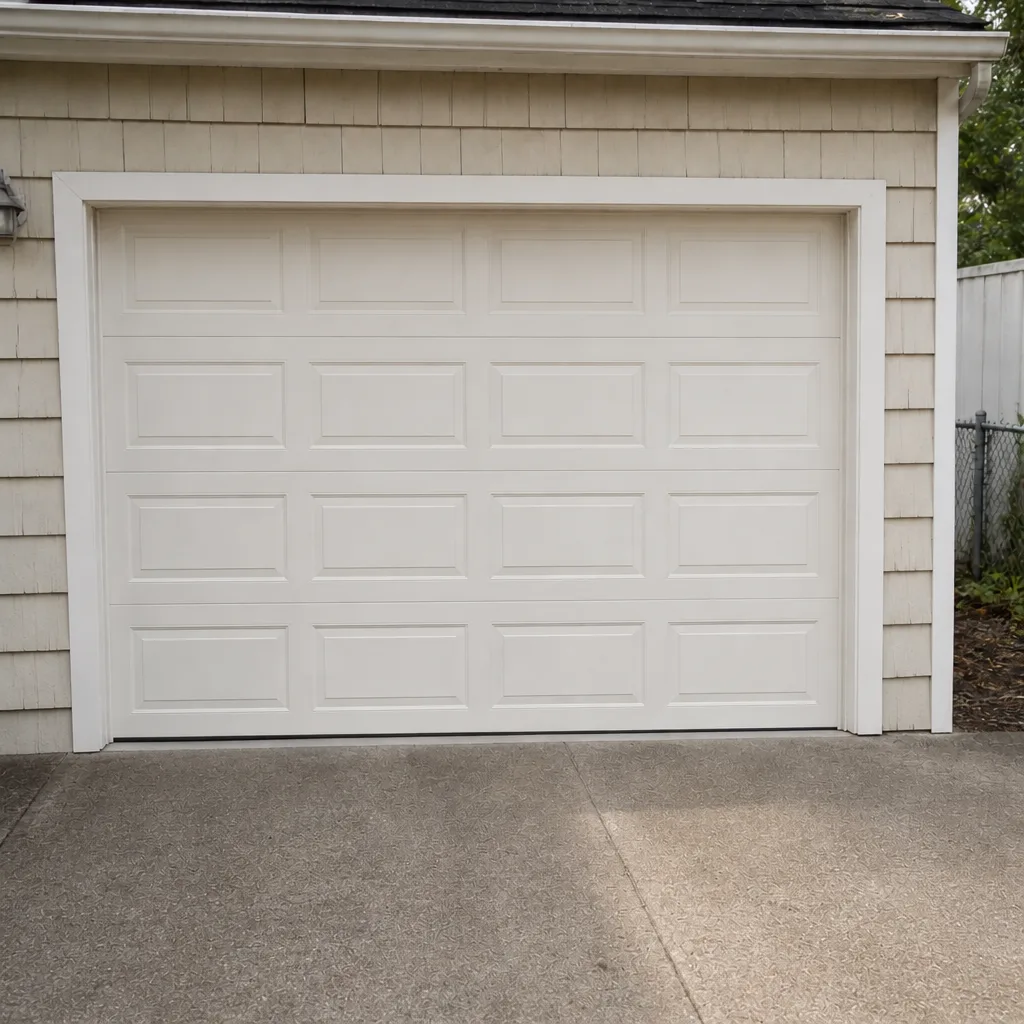 After
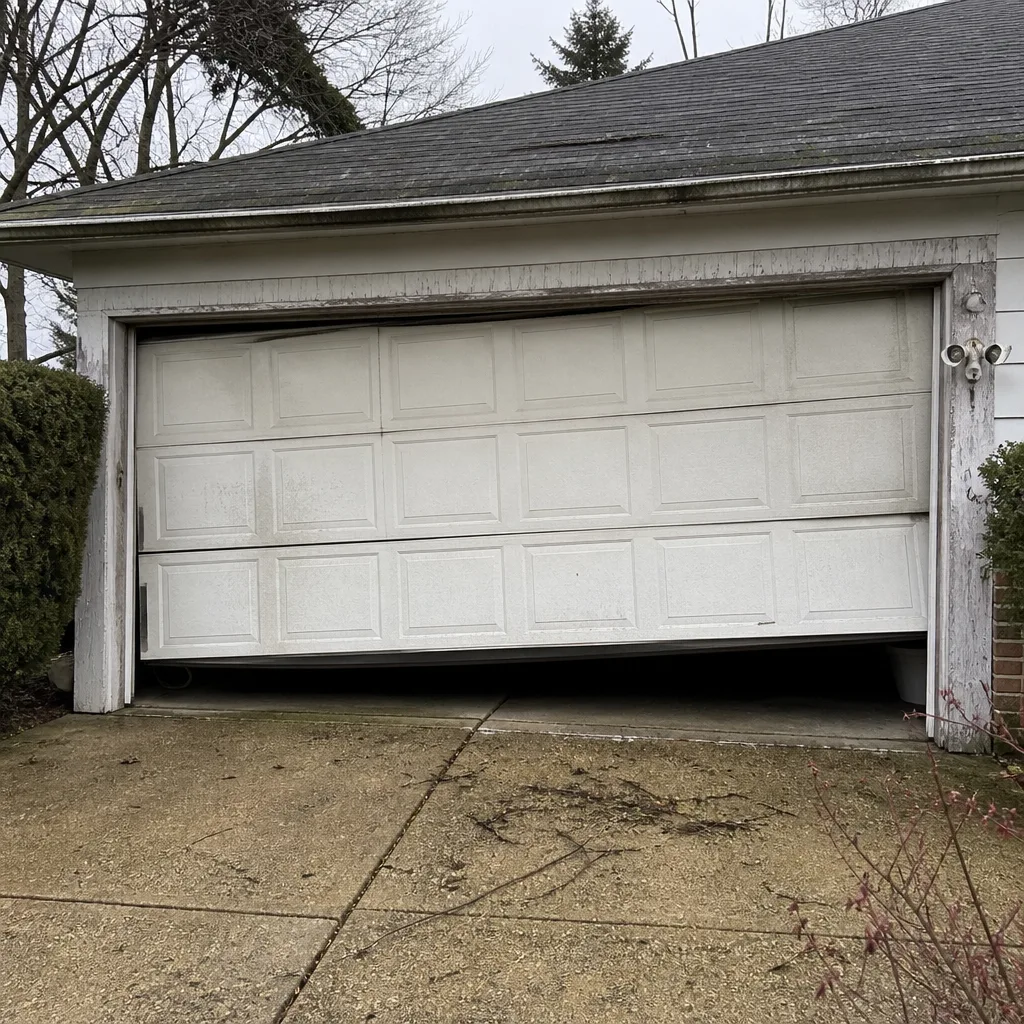 Before
 After
 Before
 After
When to Call a Professional
Call a professional any time the repair involves springs, cables, opener motor wiring, or a door that’s off its track. Call when you hear a pop and the door won’t lift. Call when the door closes and then immediately reopens (often the safety reverse triggering). Call when your opener is doing something odd like blinking its light in a pattern you don’t recognize, since error codes point to specific issues. And call if you’re simply not sure which system you have, because getting that wrong is the most common cause of DIY failure. When a door fails at 6am and your car is trapped inside, that’s an emergency call and our emergency service covers it. For everything on the DIY-safe list, feel free to tackle it yourself. For the rest, a professional diagnosis is the faster and safer route. Valley Stream Garage Door Repair Pros offers free estimates in Valley Stream. Call (833) 508-9959 and we’ll tell you what’s wrong and what it costs before any work starts.
Frequently Asked Questions
No. Torsion spring replacement is not a DIY job for any homeowner, because the spring stores enough energy to cause serious injury if it releases unexpectedly, and no amount of video study changes that. A trained technician has the winding bars, the training, and the insurance to do it safely. Call (833) 508-9959 if you need it done and want a free estimate.
Bottom seal replacement, lubricating hinges and rollers, tightening loose bolts, cleaning photo-eye lenses, and replacing a remote battery are all reasonable DIY tasks for a careful homeowner. They involve no springs, no cables, and no opener wiring. If your task falls outside that list, call a professional.
A single torsion spring typically runs $180 to $340, and because springs are usually replaced as a matched pair, a pair costs roughly double that. Valley Stream pricing depends on the system and the door weight, but the written quote you receive is the price. Call (833) 508-9959 for a free estimate.
It might be, depending on the manufacturer. Most door warranties set conditions around professional repair, and a DIY spring or cable replacement can void the warranty on the affected components. Read the terms that came with your Clopay, Amarr, or Wayne Dalton door, and call your insurer directly if you have questions about coverage.
That pop is usually a torsion spring failing. Cold weather is a common trigger, and once it goes, the door becomes extremely heavy and won’t lift on its own. Don’t try to force it. Call for service and we’ll get a technician out to diagnose and repair.
Often, yes. A door that won’t close is either a spring, a cable, a track issue, or a sensor problem, and our emergency service handles those beyond standard business hours. Call (833) 508-9959 and we’ll tell you what’s available. Estimates are free.
The Bottom Line
The DIY-versus-pro decision on your garage door comes down to one question: does the job involve stored tension? Seals, lubrication, hinges, and sensor cleaning are safe for a careful homeowner, and we’d encourage you to handle them. Springs, cables, and opener motor wiring are not, and no amount of skill in unrelated trades changes that. The cost of a professional repair in Valley Stream is modest compared to the risk, the warranty implications, and the potential for a second repair down the line. If you’re unsure which category your job falls in, call and ask. We’ll tell you honestly, and a free estimate costs nothing.
Contact
If you’ve decided the job needs a professional, or you just want a second opinion on which side of the DIY line your repair falls on, call Valley Stream Garage Door Repair Pros at (833) 508-9959 for a free estimate. We work on your brand, from Genie and Clopay to Amarr and Wayne Dalton, and we handle everything from a quick seal replacement to a full installation, so you’re not left hunting for a different contractor if the job grows. The quote you get before any work starts is the price you pay.
Written by the team at Valley Stream Garage Door Repair Pros.